


A Different Way to Learn,
A Better Way to Grow
At Creative Minds Montessori, we offer more than an education — we offer a foundation for life. Where traditional schooling often moves every child through the same checklist at the same speed, the Montessori approach honors each child’s individual pace, curiosity, and natural drive to learn.
We believe education is not a checklist of skills, but a journey of unfolding — where the mind, body, and spirit are nurtured together. We don’t just teach children what to think; we guide them in discovering how to think, feel, and grow.
Parents also enjoy peace of mind with WatchMeGrow live classroom cameras, letting you stay connected to your child’s day — sign up for camera access once your child is enrolled.
Why It Matters
Montessori isn’t just different — it’s transformational. Child-centered education develops:
Independent Thinkers
Children choose meaningful work and carry it through, building judgment and self-direction.
Compassionate Community Members
Mixed-age classrooms foster mentorship, empathy, and grace in daily life.
Confident, Curious Learners
Success built on genuine mastery gives children the confidence to keep exploring.
Problem-Solvers with Strong Inner Motivation
Without grades or gold stars, children discover the joy of learning for its own sake.
Academic Preparedness: Ahead on Paper, and Beyond It
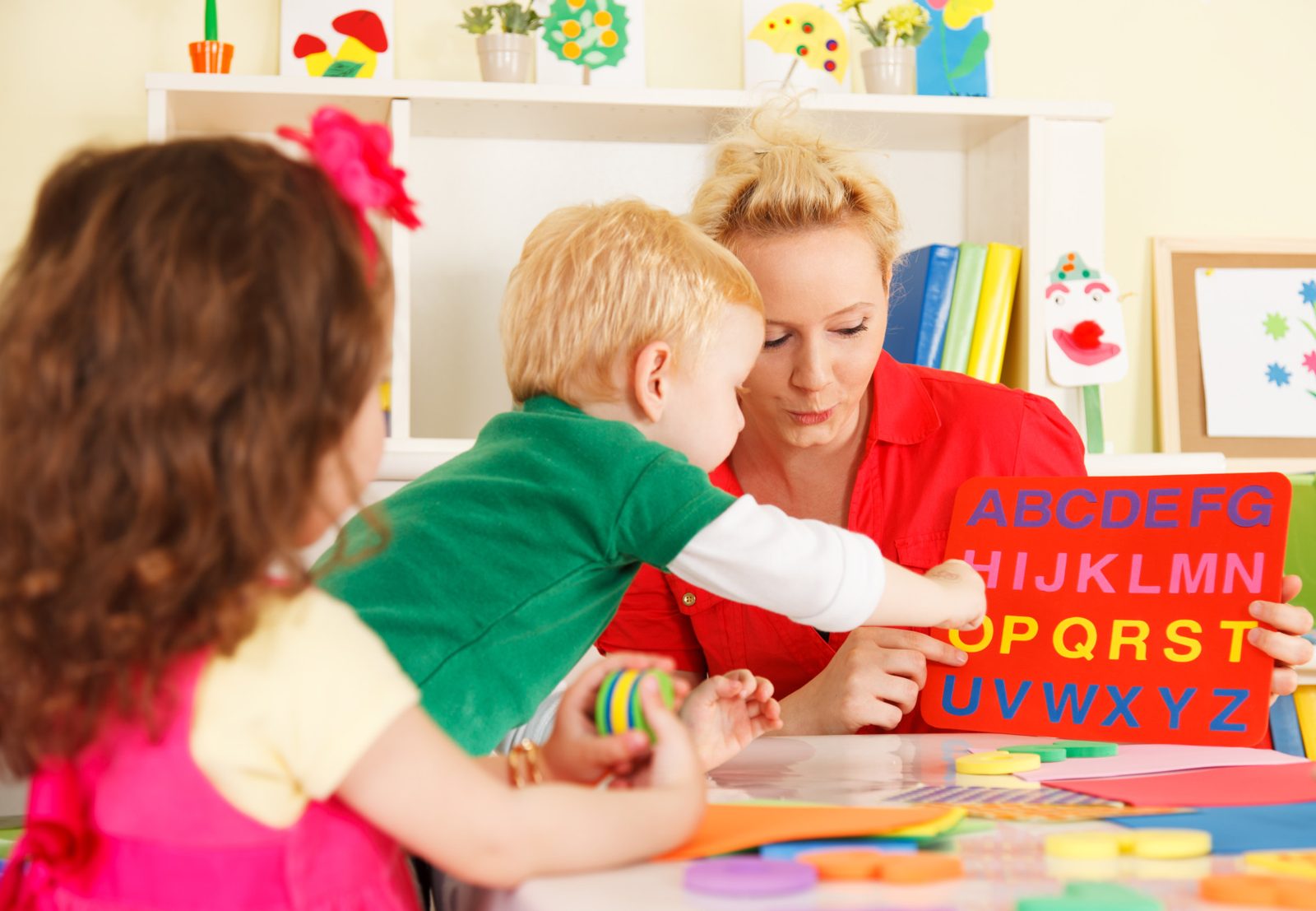
The Montessori advantage shows up first where parents look first: robust reading, writing, and math. Our children trace sandpaper letters before they write, build words with the movable alphabet before they read, and hold quantities in their hands — golden beads, number rods — before they ever see a worksheet. By Kindergarten, most are reading real books and doing arithmetic that surprises their next teachers, because every skill was built on genuine understanding rather than memorized performance.
But the deeper advantage is thinking outside the box in every situation. A Montessori child spends years choosing their own work, wrestling with materials that let them find and fix their own errors, and asking “what if?” without fear of a red pen. That habit — approach the problem, try a path, adjust, try again — travels far beyond the classroom. When these children meet a question no one has taught them, they don’t freeze; they experiment.
Social Discipline: The Quiet Superpower
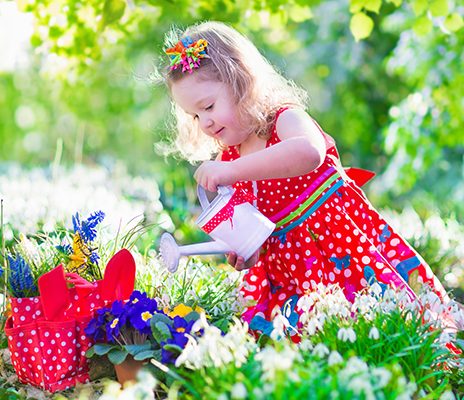
Visitors to a Montessori classroom always notice the same thing: the calm. It isn’t enforced from the front of the room — it’s built into the children, one small responsibility at a time. Every child works through their own self-directed work cycle: choose a task, give it full attention, finish it properly, and clean up and return it to the shelf ready for the next friend. No one polices this; it is simply how the classroom works, and children rise to it astonishingly fast.
That daily rhythm — care for your work, your space, and the people around you — is where real self-discipline comes from. A three-year-old who rolls up a work mat and pushes in a chair is practicing the same impulse control and follow-through that homework, deadlines, and teamwork will demand for the rest of their life. Discipline that grows from the inside doesn’t disappear when the adult looks away.
Fostering Creativity, Deliberately

Creativity isn’t a break from our curriculum — it’s woven through it. Open-ended art, music every week, storytelling, clay, movement, and dramatic play give children endless invitations to express what’s in their heads and hearts. And because Montessori materials isolate real qualities — color, form, sound, texture — children build the sharp senses that creative work draws on.
Just as important is what we don’t do: we don’t hand every child the same model to copy. When thirty children paint, we expect thirty different paintings. The result is children who trust their own ideas — who see a cardboard box and start inventing — because their imagination has been exercised daily, not scheduled into a Friday afternoon slot.
A Collaborative Community: Children Teaching Children

Step into our mixed-age classrooms and you’ll see Montessori’s most beautiful advantage: older children teaching the younger ones. A five-year-old showing a three-year-old how to pour without spilling is learning as much as she’s teaching — explaining a skill cements it, and being trusted as a mentor builds a kind of confidence no gold star can. The younger child, meanwhile, absorbs the lesson eagerly, because nothing inspires a three-year-old like what the “big kids” can do.
Over three years in the same community, every child experiences both sides — the newcomer who is helped, and the leader who helps. That is where social cohesion comes from: children learn patience, empathy, and belonging not from lectures about kindness but from peer learning lived daily. They leave us knowing how to join a group, how to lead one, and how to lift the person beside them — skills that matter in every classroom, team, and workplace they’ll ever enter.
“We believe the purpose of education is not to create good test-takers, but whole, joyful human beings.”