


PRE CASA / Toddler Program
(18 – 36 months)
PRE CASA / Toddler Program at a Glance
| Ages | 18 – 36 months |
| Classrooms | Walkers (young toddlers), then the Transition class from age 2½ with a potty-training focus |
| Hours | Monday–Friday, 7:00 AM–5:30 PM (up to 10 hours of care) |
| Milestones | Move to a single afternoon nap, self-feeding at meals, early potty training |
| Curriculum | Montessori toddler — movement, exploration, practical life, sign language, art, music, and early literacy |
| Meals | Breakfast, lunch, and snacks provided daily (nut-free school; vegetarian option every day) |
| Parent updates | Daily email report + live classroom camera access for parents |
| Location | 5115 Warren Parkway, Frisco, TX 75034 — behind Dua Trattoria at Legacy & Warren Pkwy |
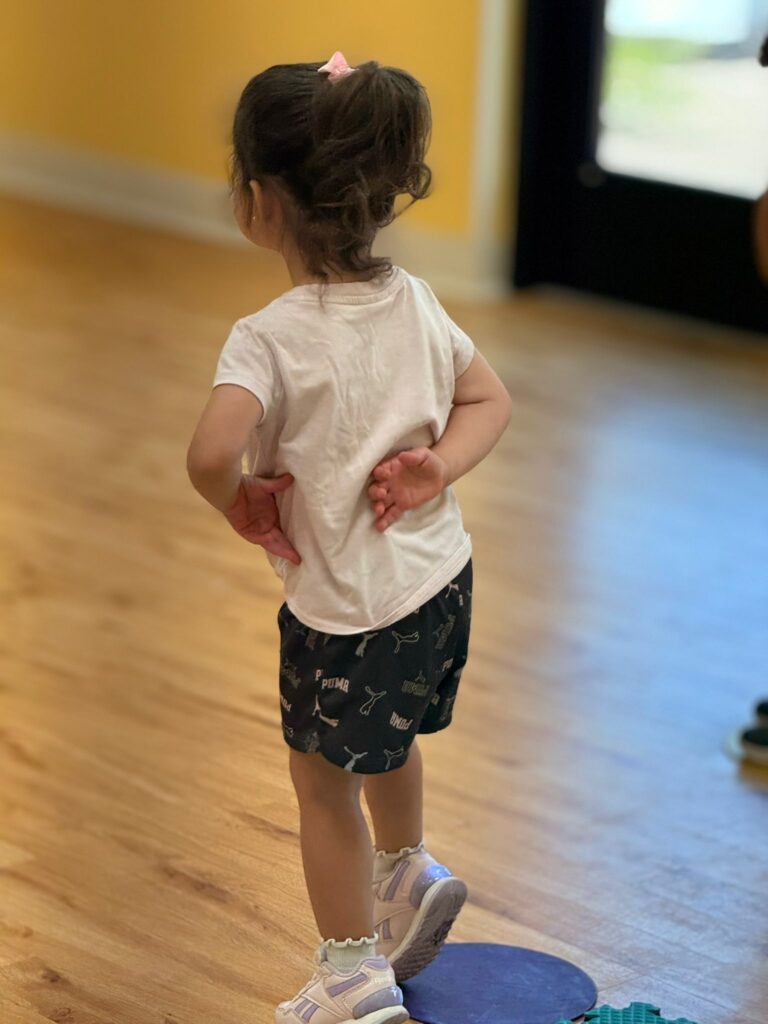
This stage is all about big emotions, rapid growth, and endless curiosity. Our Toddler Program is thoughtfully designed to meet each child’s needs during this exciting time.
We focus on supporting independence, language development, and purposeful movement. Toddlers enjoy real-life activities, social interaction, and outdoor play, all within a structured yet flexible routine that encourages autonomy and exploration.
The world jokes about the “terrible twos.” We see something entirely different: the single most explosive period of brain growth in a human life — and we built this program, and chose its teachers, to meet it.
That’s also why the toddler week is stitched through with stretching and movement, soccer-style ball play, music, and gardening — each one chosen for what it gives the fantastic twos. A few animal poses and slow breaths teach self-regulation at exactly the age big feelings peak; chasing and kicking a ball builds coordination, balance, and the first taste of playing together; our weekly music class wires rhythm straight into the language explosion; and gardening turns patience into something a two-year-old can water, watch, and taste.
Schedule a TourNot “Terrible Twos” — a Brain at Full Speed
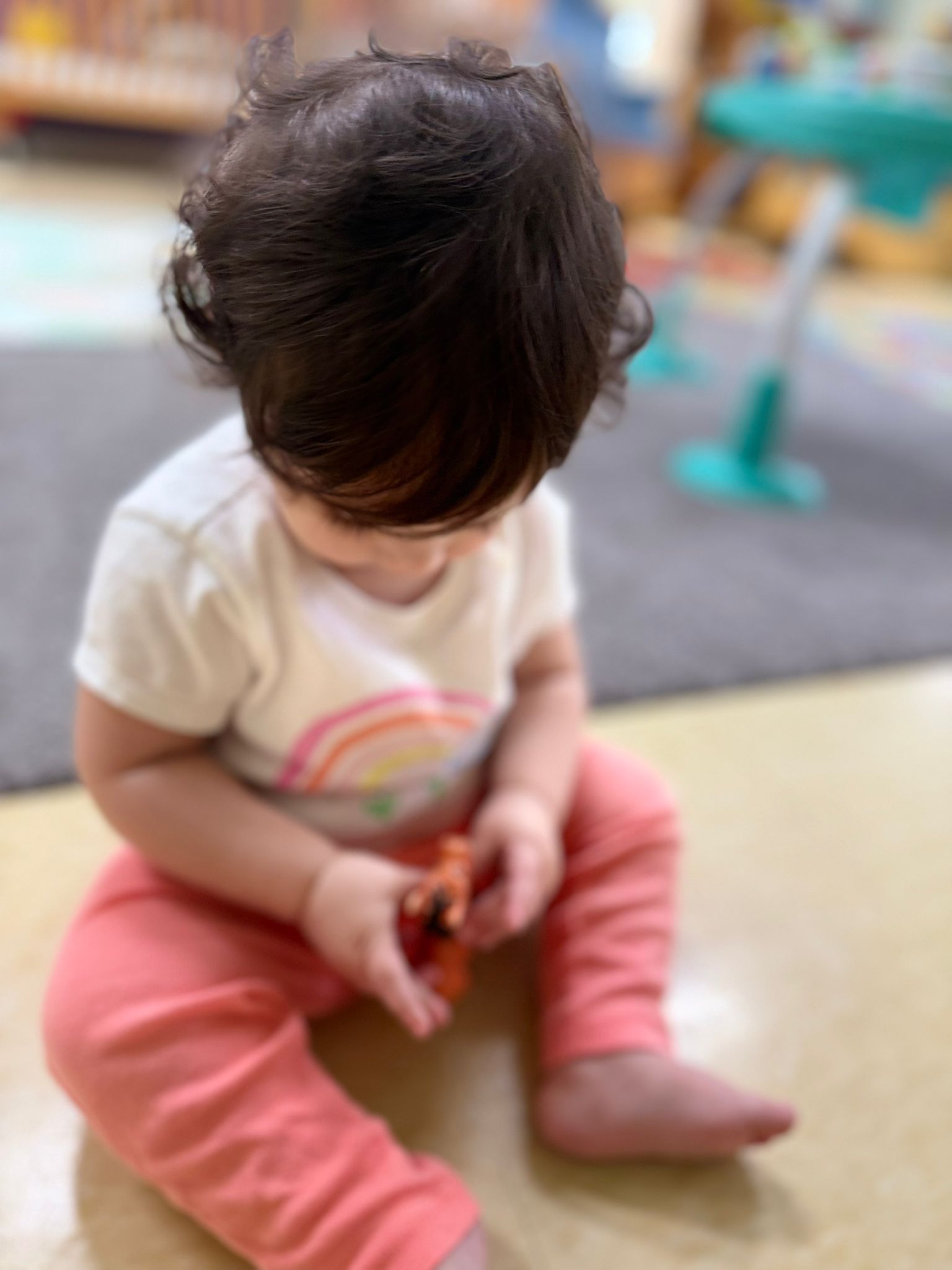
Between 18 and 36 months, your child’s brain is doing the most remarkable work it will ever do. In these earliest years, more than a million new neural connections form every second, and by age three the brain has already reached about 80 percent of its adult size. Vocabulary explodes from a handful of words toward a thousand. What looks like defiance or a meltdown is usually none of those things — it’s a mind growing faster than its ability to express itself.
That’s why we refuse to treat this age as something to merely survive. Every tantrum is communication; every “no!” is a newborn will learning its own strength; every dumped basket of blocks is an experiment. Our teachers treat behavior as information, respond with calm redirection and real choices, and give toddlers the words — spoken and signed — for what they’re feeling. The payoff is a two-year-old who is learning self-regulation at exactly the age the brain is wiring it.
Our Most Passionate Teachers, On Purpose
We deliberately place our most passionate, energetic teachers in the PRE CASA room — because coaching a mind that grows this fast is not a job for the indifferent. These are the teachers who narrate everything (“you’re pouring the water — it’s cold!”), because a toddler’s language grows on a river of words; who kneel to eye level a hundred times a day; who greet the fortieth reading of the same book with the enthusiasm of the first. They celebrate every first — first sentence, first successful pour, first time sharing without being asked — and they partner closely with you, so what works at school works at home too.
Growing Creatively and Sensorially
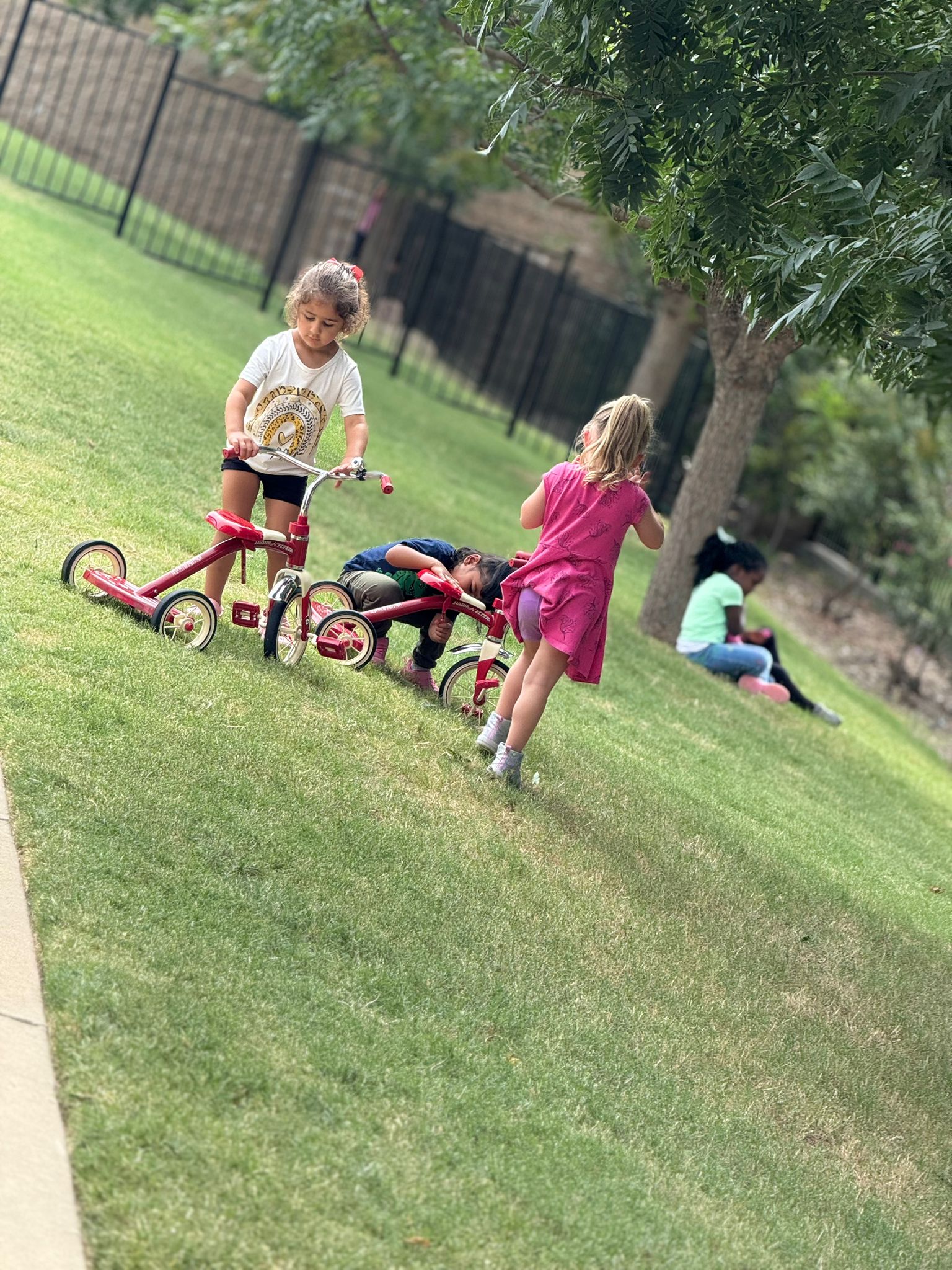
A toddler learns through the hands, the whole body, and all five senses — so that’s how our days are built:
- Sensory-rich exploration — the sensory table, natural materials, textures, water, and safe messes that wire perception and fine-motor control.
- Creative expression every day — open-ended art, music, movement, and dress-up and block play that turn imagination into confidence.
- Language on every side — stories, songs, sign language, and narrated activity feeding the vocabulary explosion; whole-group story time and music begin at this age.
- Practical life, toddler-sized — self-feeding at meals, pouring, carrying, and tidying: real work that builds independence and pride.
- Big-body movement — daily outdoor play and indoor gross-motor time, because motor development and brain development are the same project at this age.
As your toddler approaches 2½, the Transition class carries this momentum forward — adding a gentle, partnership-based focus on potty training and the language and social skills that open the door to the 3s program.