


The Girl Who Thought in Pictures
A teacher’s look at why this book belongs in the Read-to-Me, Read-by-Me stage.
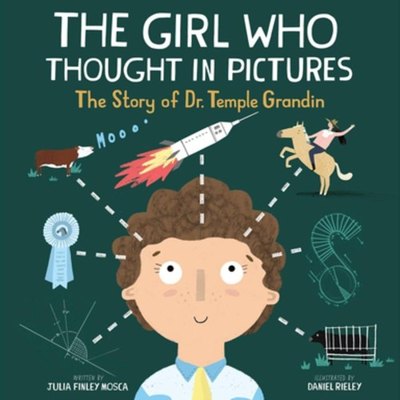
Why it fits Read-to-Me, Read-by-Me (for the kindergarten-ready set, between being read to and reading alone)
Temple Grandin's autistic mind saw what others couldn't - and revolutionized an industry. It presents thinking differently as the superpower it can be. Rhyming biography with an inclusion message that matters.
What makes it special
It presents Temple Grandin's autism as an engineering advantage — she saw what others literally could not. The bright, angular illustrations visualize her picture-thinking rather than just describing it. In classrooms full of different minds, it's the rare biography that says different is a spec, not a defect.
From the publisher
When young Temple was diagnosed with autism, no one expected her to talk, let alone become one of the most powerful voices in modern science. Yet, the determined visual thinker did just that. Her unique mind allowed her…
About Julia Finley Mosca
Julia Finley Mosca writes the Amazing Scientists series — rhyming biographies of researchers like Temple Grandin and Patricia Bath, developed with input from the scientists themselves, which is rarer than it should be.
Also by this author: The Doctor with an Eye for Eyes · The Astronaut with a Song for the Stars
More from “True Stories, Big World”
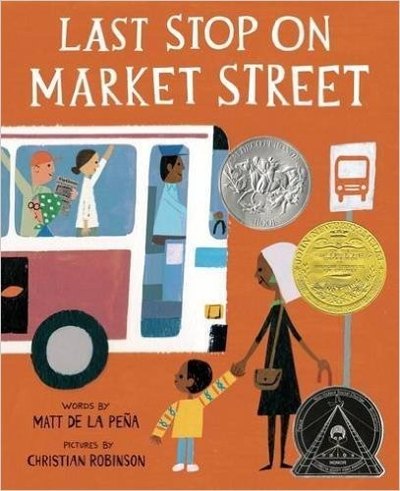
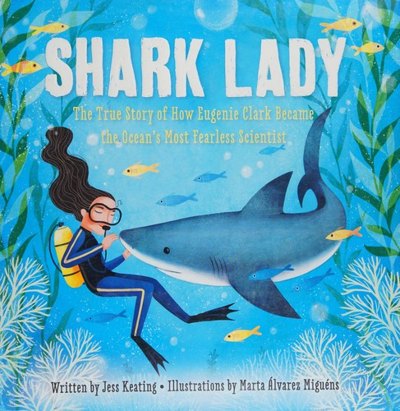
This book is part of The Best Books for Beginning Readers: 30 Teacher Picks (Read-to-Me, Read-by-Me) in our guide The Best Children’s Books by Age — 120 books chosen by the Montessori-certified teachers at Creative Minds Montessori in Frisco, TX. Come see how we build readers →
Nobody paid for this review — not the author, not the publisher — and the store link above earns us nothing. Our only interest is the reader this book fits.