

Winnie-the-Pooh
A teacher’s look at why this book belongs in the Read-to-Me, Read-by-Me stage.
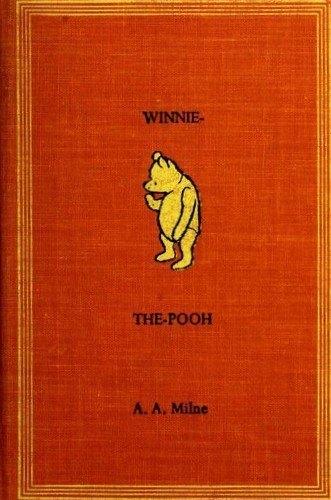
Why it fits Read-to-Me, Read-by-Me (for the kindergarten-ready set, between being read to and reading alone)
The original Pooh stories, wittier and warmer than any adaptation. Milne writes double-decker humor - one level for the child, one for the reader. Chapter One, in which we are introduced, is where read-aloud tradition begins.
What makes it special
Milne's originals are drier and funnier than the adaptations — comedy for the child, philosophy smuggled for the adult reading aloud. Shepard's spare pen-line drawings remain the definitive map of the Hundred Acre Wood. Its unhurried episodes make a nightly ritual feel like visiting somewhere, not consuming something.
From the publisher
A.A. Milne's Pooh stories need no introduction; they have been loved by generations of children and their parents ever since they were first published in 1926. In his autobiography, Milne wrote: 'The animals in the…
About A.A. Milne
A.A. Milne (1882–1956) was a celebrated Punch humorist and playwright whose four small books about his son's stuffed bear — begun as verses at the family breakfast table — became the most beloved comic writing in children's literature.
The real Winnie was a Canadian black bear at the London Zoo, named for Winnipeg; Christopher Robin Milne's teddy took her name, and the Hundred Acre Wood was the Ashdown Forest behind the family's country house.
Also by this author: The House at Pooh Corner · When We Were Very Young · Now We Are Six
More from “Chapter One, Together”
This book is part of The Best Books for Beginning Readers: 30 Teacher Picks (Read-to-Me, Read-by-Me) in our guide The Best Children’s Books by Age — 120 books chosen by the Montessori-certified teachers at Creative Minds Montessori in Frisco, TX. Come see how we build readers →
Nobody paid for this review — not the author, not the publisher — and the store link above earns us nothing. Our only interest is the reader this book fits.