

The Best Books for Babies: 30 Teacher Picks
The Lap Listeners list — for babies in their first year, when books are about your voice, not the plot.
In the first year, a book is not a story yet — it is your voice, your warmth, and something bold to look at. The best books for this stage understand that completely: they are rhythmic, tactile, and full of faces. Don’t worry about finishing; worry about snuggling.
This is one stage of our four-part guide, The Best Children’s Books by Age — 30 books here, 120 across the series, each with its own full teacher review. No author or publisher paid to be on this list, and we earn no commission if you buy a single book — every pick is a classroom pick.
Sing It, Say It Again
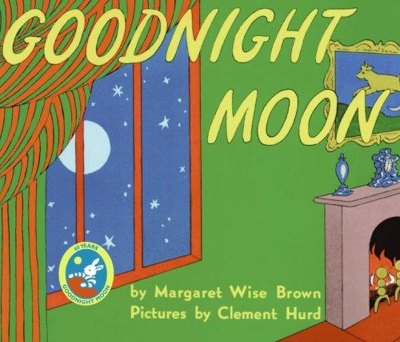
Goodnight Moon
The hush-hush rhythm of this bedtime classic has lulled babies for generations. Its slow, repeating cadence teaches an infant the music of language long before meaning arrives. Reading it nightly builds the wind-down ritual babies thrive on.
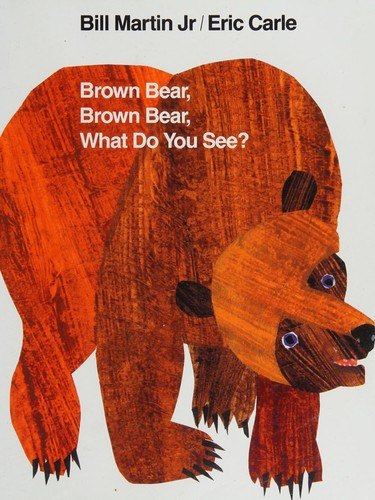
Brown Bear, Brown Bear, What Do You See?
A call-and-response chant with bold Eric Carle art that babies track easily. The question-answer pattern is pure serve-and-return, the interaction infant brains grow on. By the dozenth read your baby will anticipate every page turn.
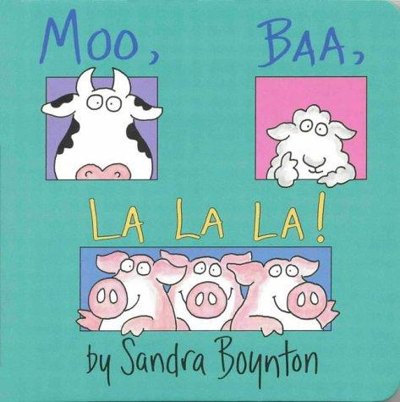
Moo, Baa, La La La!
Boynton's silly animal sounds beg to be performed, and performance is exactly what infants need. Every moo and la-la models the mouth shapes of early speech. Short enough to survive the shortest attention span.
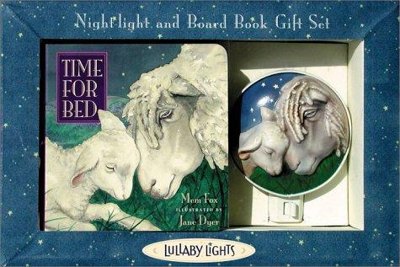
Time for Bed
A gentle lullaby in couplets, pairing each baby animal with its parent. The rhyme scheme is so regular that babies settle into it like a rocking chair. Ideal as the final book of the night.
Each Peach Pear Plum
An I-spy rhyme that hides nursery characters in every scene. The sing-song verse rewards rereading while the pictures give pre-verbal babies something to hunt. It quietly seeds the nursery-tale characters they'll meet again for years.
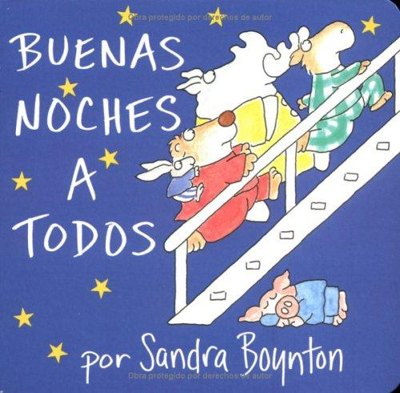
The Going to Bed Book
Absurd animals brush teeth and exercise before bed to a bouncing meter. The rhythm is so dependable that babies physically relax into it. A near-perfect first bedtime script.
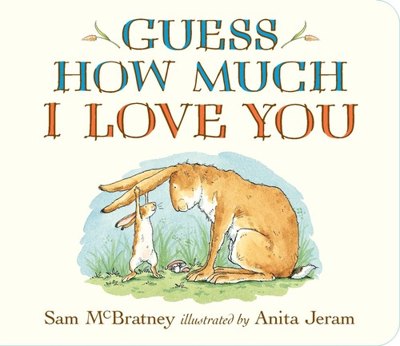
Guess How Much I Love You
The back-and-forth of Little and Big Nutbrown Hare turns affection itself into a refrain. Its soft repetitions give parents natural places to snuggle and squeeze. Emotional attunement, disguised as a story.
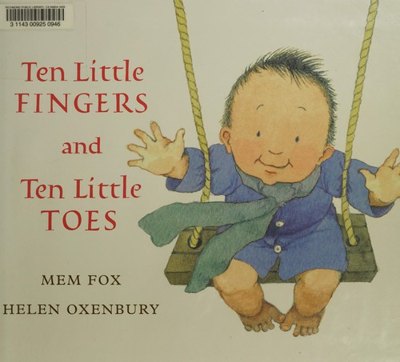
Ten Little Fingers and Ten Little Toes
Babies born all over the world share the same ten fingers and toes in this rolling rhyme. The counting refrain invites touching each finger and toe as you read - rhythm plus sensation. A celebration of sameness across difference, from the very first read.
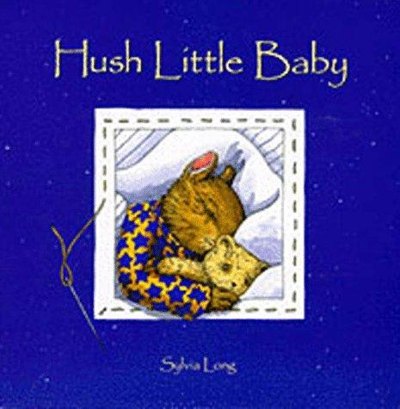
Hush Little Baby
A tender reworking of the classic lullaby where mama promises the sights of the natural world instead of bought things. It is literally a song, so even the most self-conscious reader ends up singing. The illustrations reward the hundredth look.
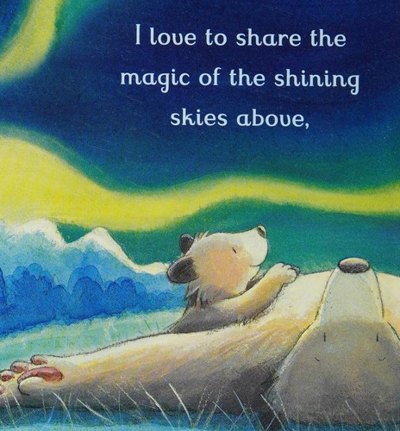
I Love You to the Moon and Back
A simple day of bear-and-cub affection set to a steady, warm meter. The physical gestures on each page - nuzzle, splash, hug - map onto things you can act out with the baby on your lap. Short, sweet, and endlessly re-readable.
Touch, Pat, Peek
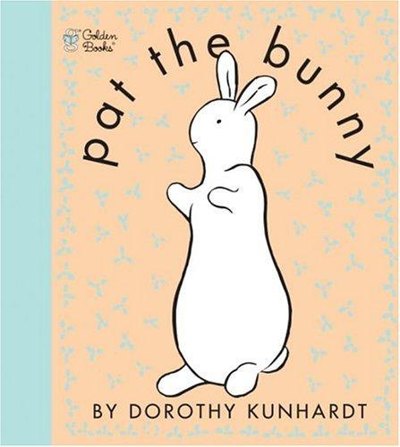
Pat the Bunny
The original touch-and-feel book, inviting babies to pat fur, peek behind cloth, and smell flowers. It treats a book as something a baby does, not just hears. Eighty years on, it still earns its keep on the first shelf.
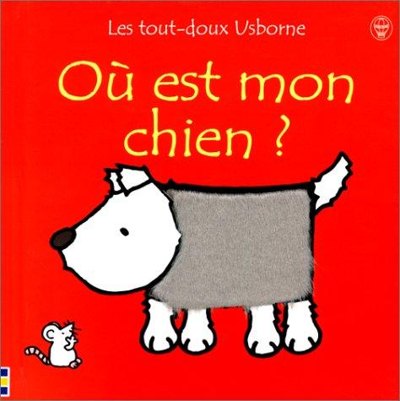
That's Not My Puppy...
Every spread offers a new texture and the same satisfying refrain. The predictable structure plus tactile payoff is exactly how infants learn to expect and explore. Any title in the series works; the formula is the genius.
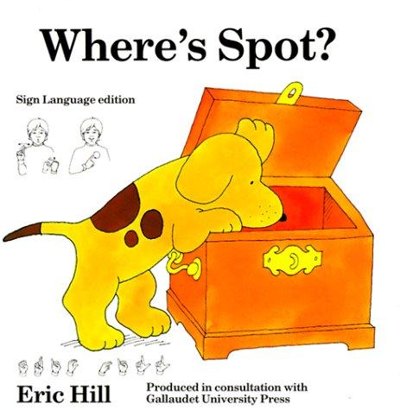
Where's Spot?
The first lift-the-flap mystery: where is that puppy hiding? Flaps give babies cause and effect at the flick of a wrist. The joy of finding Spot never once wears out.
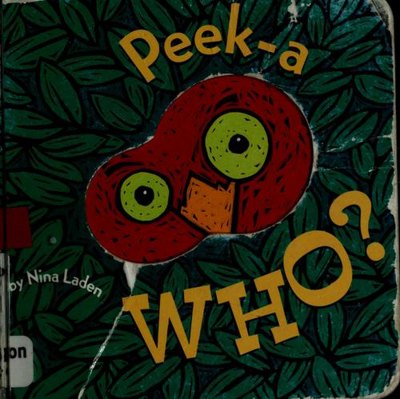
Peek-a Who?
Die-cut windows and a mirror finale turn peekaboo into a book. The rhyming guesses build anticipation; the reveal builds object permanence. Small enough for tiny hands to hold themselves.
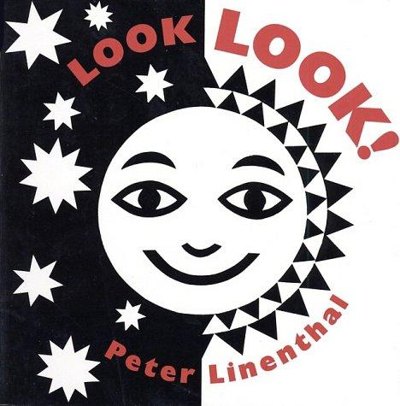
Look, Look!
High-contrast black-and-white images designed for how newborn vision actually works. This is the book for the earliest weeks, when bold pattern is all a baby can truly see. Simple cuts through everything.
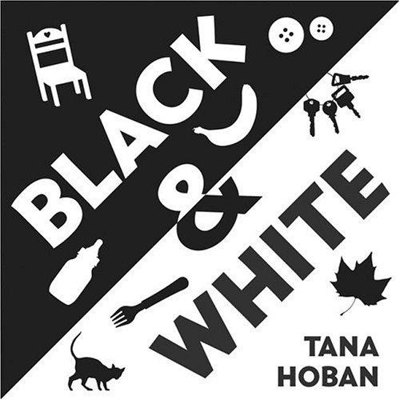
Black & White
A wordless accordion of crisp silhouettes to prop beside a baby during tummy time. Hoban's photographic eye gives babies real-world shapes, a quietly Montessori choice. It works before any other book can.
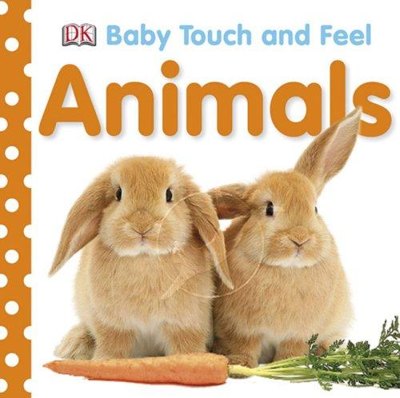
Baby Touch and Feel: Animals
Real animal photographs paired with textures to stroke. Montessori favors real images over cartoons for the youngest children, and this delivers exactly that. Sturdy pages forgive enthusiastic handling.
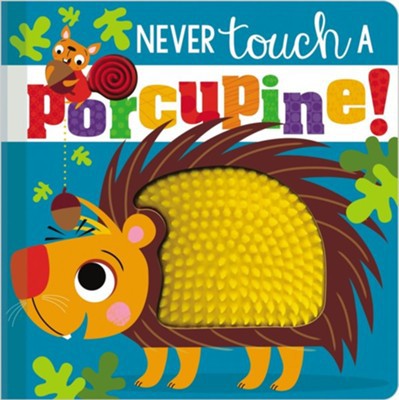
Never Touch a Porcupine!
Silicone bumps and ridges make this the rare touch-and-feel book that survives teething. The 'never touch' dare is irresistible reverse psychology even pre-verbally. Giggles guaranteed by the third spread.
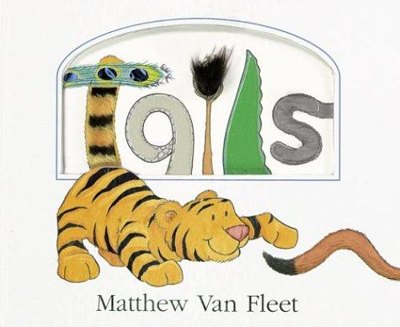
Tails
Tails to pull, fuzz to pat, a scratch-and-sniff skunk - a full sensory playground. Van Fleet builds books like activity gyms. It grows with the baby well into toddlerhood.
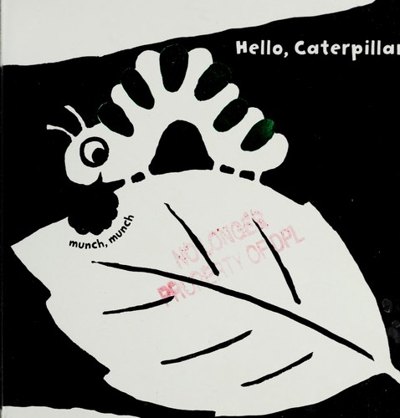
Hello, Bugs!
Black-and-white bugs with a single pop of neon on each page, tuned to developing eyesight. The friendly hello-goodbye structure makes it a conversation, not a lecture. A stylish first look-book.
Faces Like Mine, Faces Like Yours
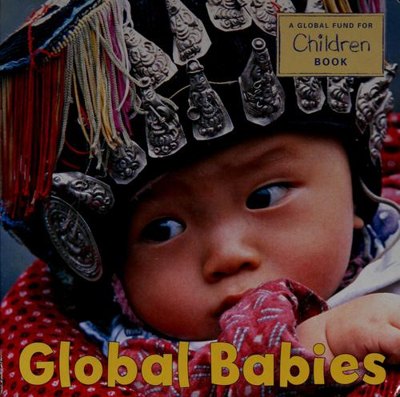
Global Babies
Real photographs of babies from seventeen cultures, each gazing straight at the reader. Infants stare longest at faces, and these pages give them the whole world's worth. A first geography lesson disguised as a mirror.
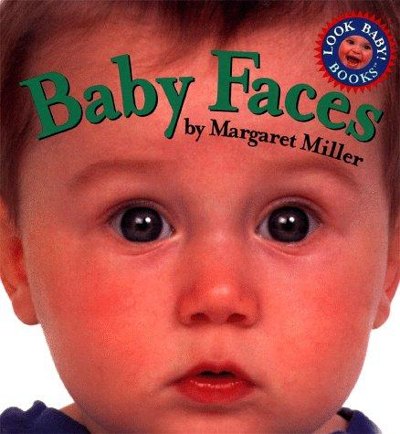
Baby Faces
Close-up photos of babies laughing, crying, and making mischief. Reading emotions off faces is a baby's first curriculum, and this is the textbook. Expect your baby to talk back to it.
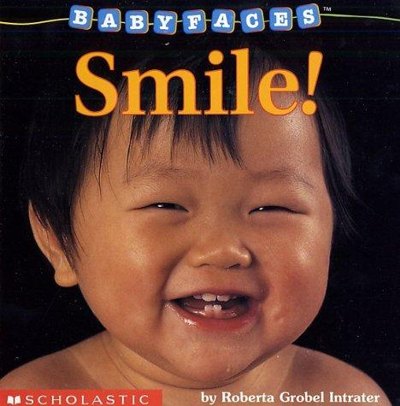
Smile!
One expressive baby face per spread, with simple joyful text. The oversized photographs hold even a newborn's attention. Part of a series worth collecting whole.
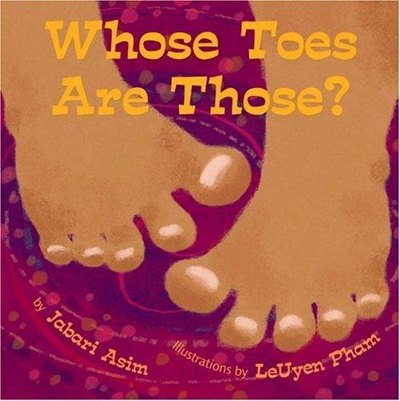
Whose Toes Are Those?
A playful teasing rhyme celebrating ten little toes. It scripts the toe-wiggling games parents play anyway, now with better lines. Joyful representation from the very first bookshelf.
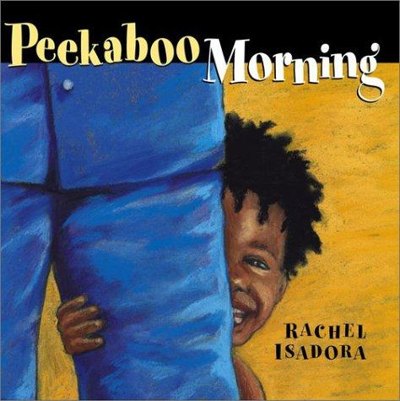
Peekaboo Morning
A toddler plays peekaboo through an ordinary morning - with parents, grandparents, even the dog. The repeated ritual mirrors a baby's own favorite game. Warm, familiar, and beautifully illustrated.
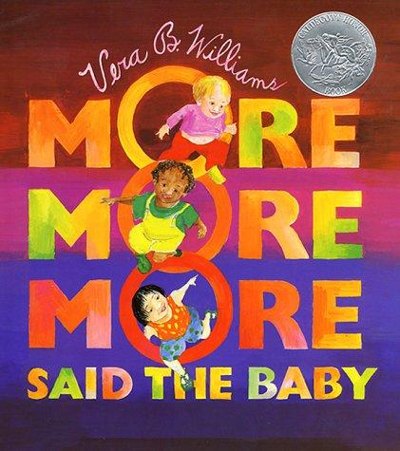
“More More More,” Said the Baby
Three love stories in which grown-ups chase, catch, and kiss their babies. The refrain gives babies words for wanting affection again and again. A Caldecott Honor book that feels like a hug.
Making Faces: A First Book of Emotions
Five big baby faces, five big feelings, and a mirror at the end. It invites imitation, the engine of early emotional learning. The find-the-face game inside grows with the child.
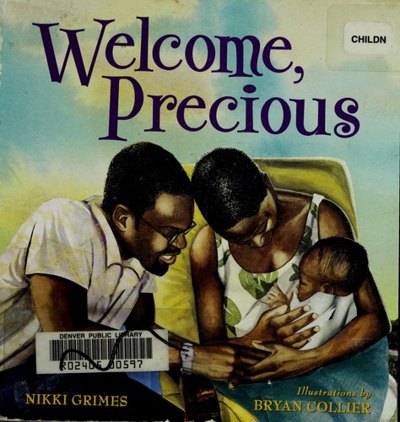
Welcome, Precious
A lyrical welcome-to-the-world addressed straight to a new baby. The language is rich enough to reward the adult on the fiftieth read. A lovely gift book that actually gets used.
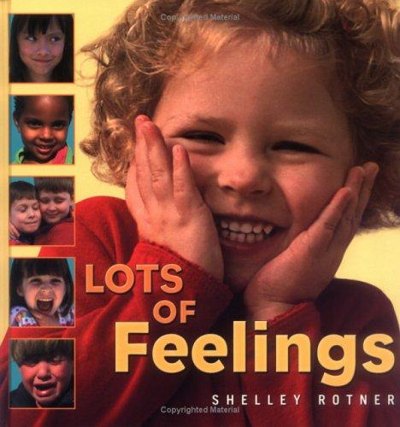
Lots of Feelings
Photographs of real children's faces cycling through everyday emotions. Real faces, real feelings - the Montessori preference for the real world, applied to the heart. Sturdy enough for baby handling, useful into the toddler years.
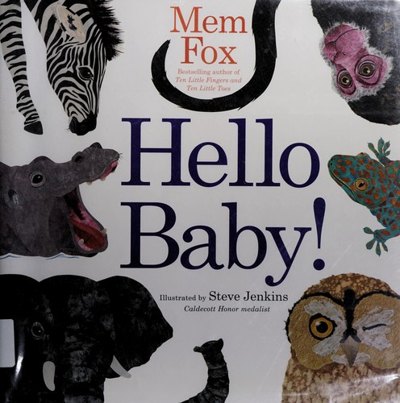
Hello Baby!
A guessing-game rhyme that ends with the best answer of all: the baby on your lap. Animal faces build to the mirror moment infants adore. A gentle 'who are you?' with a perfect payoff.
The stages overlap generously — follow the child, not the label. If a book doesn’t land tonight, shelve it and try again in a season; readiness arrives on its own schedule.
See how we build a love of reading into every day: explore our curriculum or come visit a classroom.