

The Best Books for Preschoolers: 30 Teacher Picks
The Why-Askers list — for preschoolers whose every page sparks a question.
Around three, the questions start and do not stop — and that is exactly as it should be. These books honor the questions: real answers about the world, real vocabulary for big feelings, and stories that stretch imagination in the same breath. Read them slowly; the interruptions are the point.
This is one stage of our four-part guide, The Best Children’s Books by Age — 30 books here, 120 across the series, each with its own full teacher review. No author or publisher paid to be on this list, and we earn no commission if you buy a single book — every pick is a classroom pick.
How the World Works
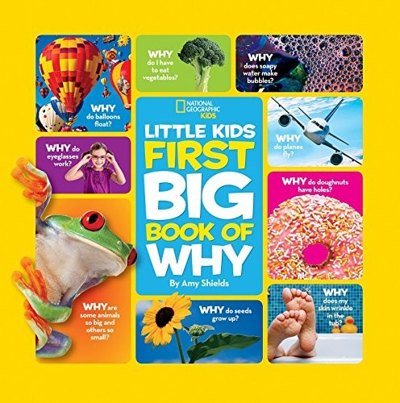
National Geographic Little Kids First Big Book of Why
An entire book built from real children's why-questions, answered with photographs and experiments. It treats curiosity as a skill to feed, not a phase to survive. The definitive why-asker's almanac.
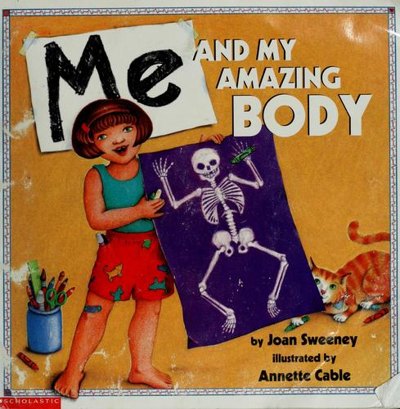
Me and My Amazing Body
A child gives a friendly guided tour of skin, bones, muscles, and brain. Clear diagrams at preschool eye-level answer the body questions they ask in the bath. Factual without a single wasted word.
From Seed to Plant
Gibbons draws exactly how a seed becomes a plant, pollination and all. Pairs perfectly with actually planting something - soil-to-snack learning Montessorians prize. Nonfiction that respects a four-year-old's intelligence.
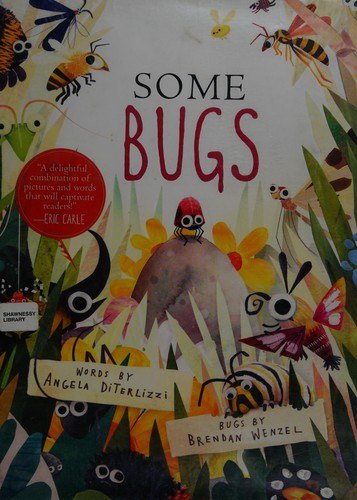
Some Bugs
A rhyming field guide to the backyard's crawlers, hoppers, and gliders. It sends children outdoors to verify - the best possible outcome of a book. Includes a real seek-and-find guide at the end.
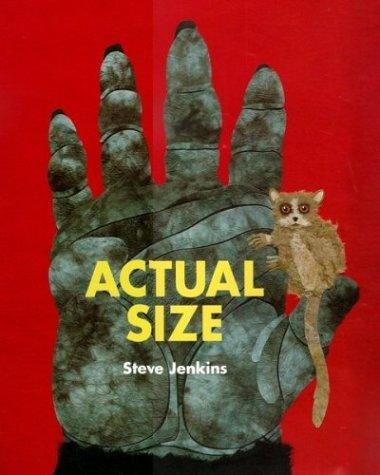
Actual Size
Animal parts printed at true scale: a gorilla's hand, a giant squid's eye. Children measure themselves against the pages bodily, which is how they think. Makes 'how big?' a question with a touchable answer.
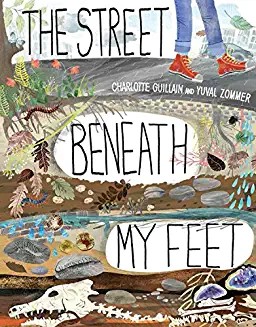
The Street Beneath My Feet
A fold-out journey straight down from the pavement to the Earth's core. It answers a question children didn't know they had, unforgettably. The two-meter fold-out is pure theater.
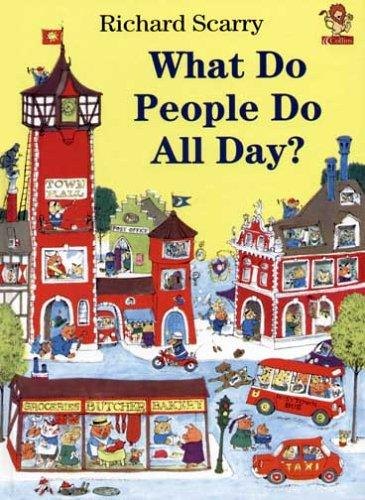
What Do People Do All Day?
Busytown's workers build houses, deliver mail, and grow food across teeming spreads. It is a preschool economics course conducted by cats in overalls. Answers the eternal 'what does everyone DO?'
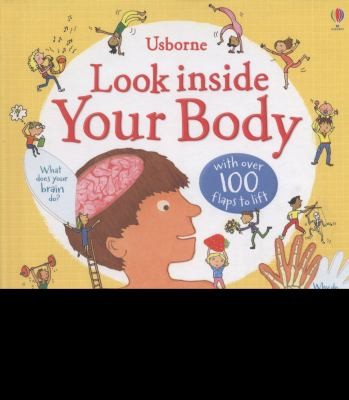
Look Inside Your Body
Flaps within flaps reveal what's happening under the skin. Lifting a flap is asking a question with your fingers. Usborne's engineering makes anatomy feel like a treasure hunt.
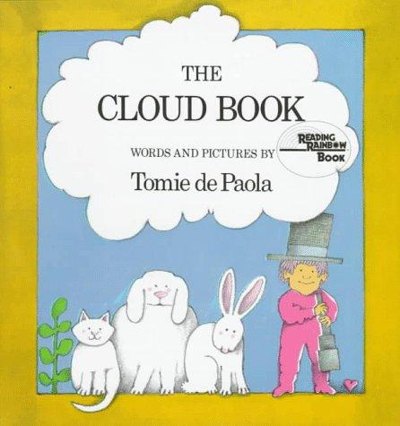
The Cloud Book
The ten main cloud types, their folklore, and what they foretell. It turns every car ride into observation practice. Weather is the gateway science, and this is its friendliest door.
Hello, World! Solar System
Planets, the sun, and space facts pitched precisely at preschool level. Big bright art keeps cosmic scale friendly instead of frightening. First astronomy, no overwhelm.
Big Feelings, First Friendships
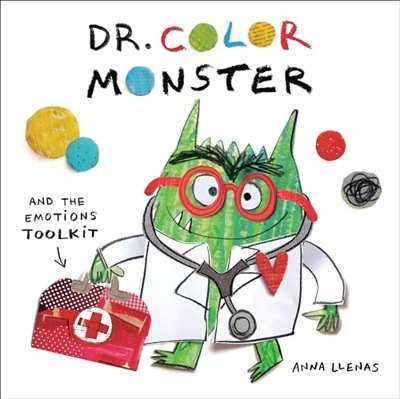
The Color Monster
A monster sorts his tangled feelings into jars by color. It hands children a working vocabulary and a filing system for emotions. The pop-up edition is worth the upgrade.
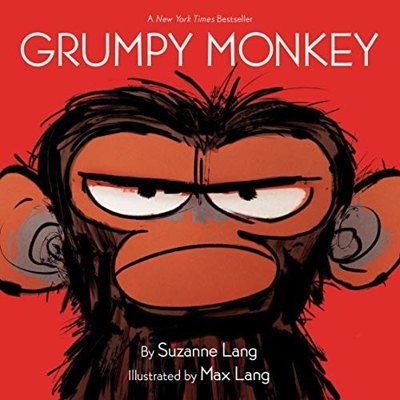
Grumpy Monkey
Jim Panzee is grumpy and everyone's fixes make it worse. Its radical message: you're allowed to feel bad for a while. Preschool emotional honesty with jungle-sized laughs.
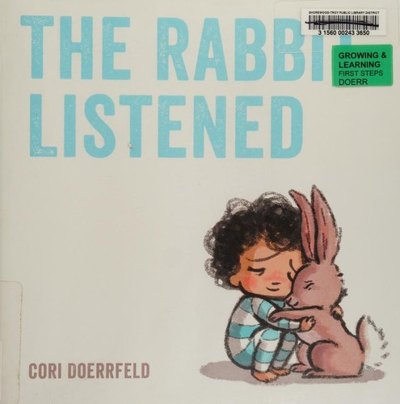
The Rabbit Listened
After disaster strikes, every animal offers advice - but the rabbit just listens. It teaches empathy by showing it, not preaching it. Adults routinely tear up; children routinely get it.
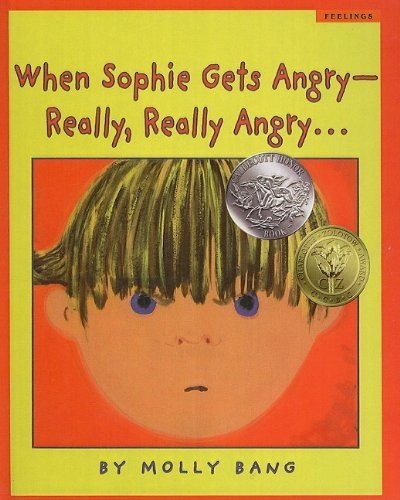
When Sophie Gets Angry — Really, Really Angry...
Sophie's anger blazes across the pages, then cools in the wide green world. It validates the volcano and models the walk that calms it. A Caldecott Honor for making a feeling visible.
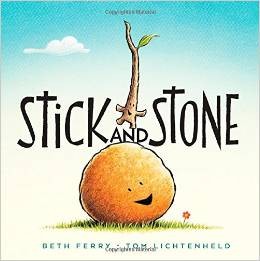
Stick and Stone
A stick and a stone stand up for each other and become friends. Friendship mechanics - loyalty, courage, small kindnesses - in ten-word sentences. Wordplay parents will enjoy on repeat reads.
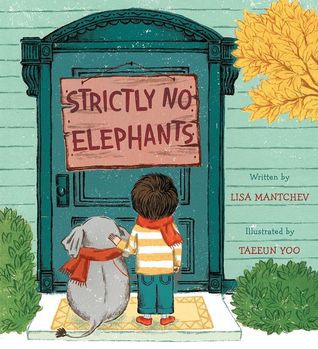
Strictly No Elephants
A boy and his tiny elephant are turned away from the pet club, so they start their own. Inclusion becomes a plot, not a moral tacked on. The door that says everyone welcome is built by kids.
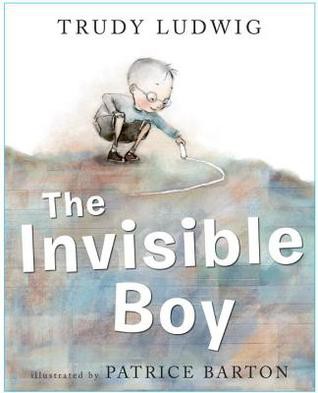
The Invisible Boy
Quiet Brian goes unseen until one new classmate notices him. It gives words to the child who watches from the edge, and a script to the one who can change it. Gentle, real, and quietly powerful.
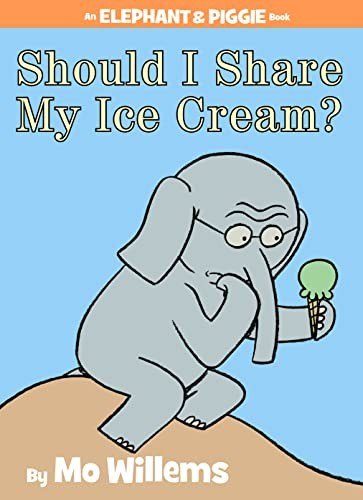
Should I Share My Ice Cream?
Gerald the elephant agonizes over sharing until the ice cream melts. The dilemma is real, the timing is vaudeville, the lesson sneaks in. Willems trusts kids to draw the conclusion themselves.
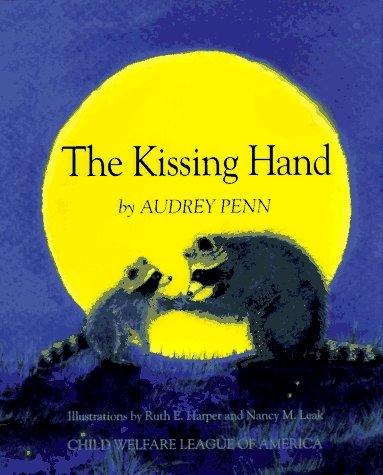
The Kissing Hand
Chester Raccoon carries his mother's kiss in his palm through the first day of school. It equips families with a portable ritual for hard goodbyes. A first-day-of-school institution for good reason.
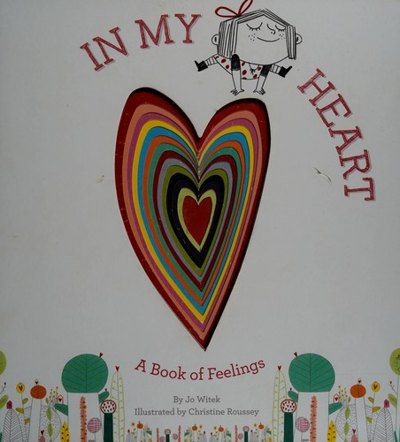
In My Heart: A Book of Feelings
A die-cut heart shrinks page by page as feelings are named one by one. Poetic language gives even complicated feelings - bravery, sadness, calm - a shape. Beautiful enough to be a keepsake, useful enough to be a tool.
What If and Why Not
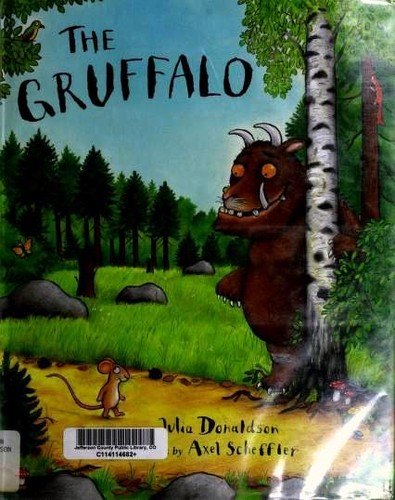
The Gruffalo
A mouse invents a monster - then meets him. The twisting logic delights exactly the age that is learning what bluffing is. Donaldson's verse is the finest read-aloud engineering in the business.
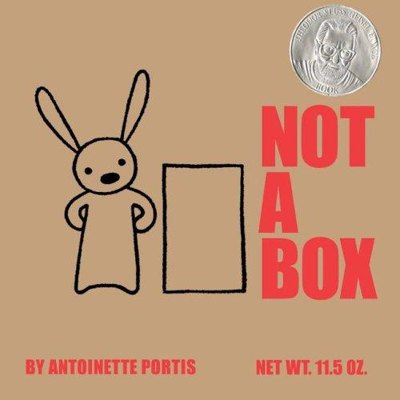
Not a Box
A rabbit insists his box is not a box - it's a rocket, a mountain, a robot. It is a manifesto for imaginative play in twelve spreads. Give the child a real box afterward and stand back.
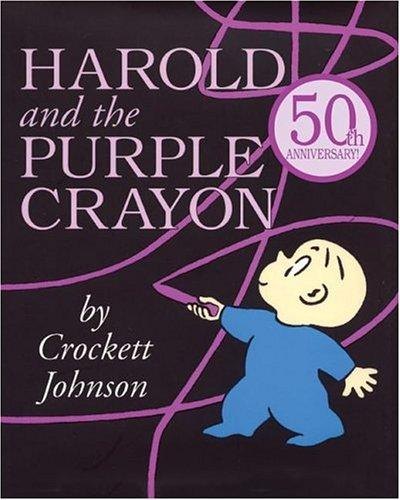
Harold and the Purple Crayon
Harold draws his world into existence one purple line at a time. Pure what-if: the child as author of reality. Sixty-plus years old and still the best argument for a crayon.
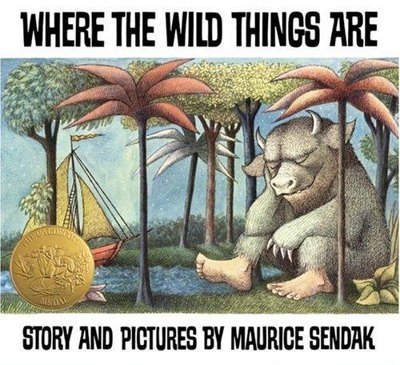
Where the Wild Things Are
Max sails to where the wild things are, rules them, and comes home to warm supper. It honors big feelings and imagination in the same breath. The wild rumpus never gets old.
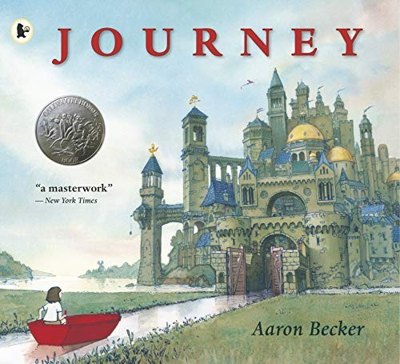
Journey
A girl draws a red door and escapes into a wordless adventure. No text means the child tells the story - differently every time. Visual storytelling of astonishing depth.
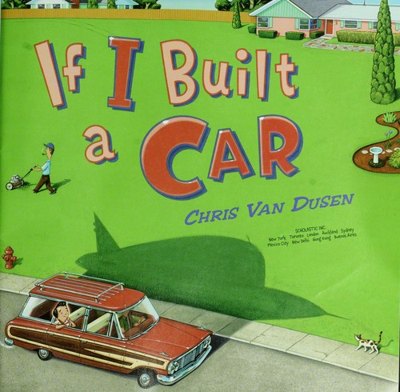
If I Built a Car
Jack designs a dream car with a pool, a snack bar, and autopilot. Invention framed as pure joy, in Seussian bounce. The gateway to a lifetime of 'if I built...' thinking.
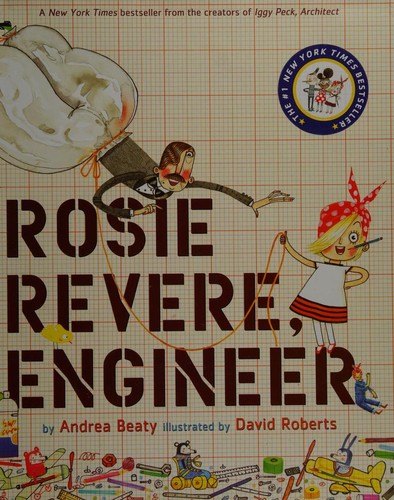
Rosie Revere, Engineer
Rosie's flying machine crashes - and her great-great-aunt cheers, because it flew before it crashed. Failure reframed as data is a gift that lasts a lifetime. Rhyming STEM with real emotional stakes.
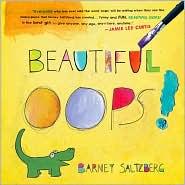
Beautiful Oops!
Torn pages and spills transform into art before your eyes. It rewires the preschool catastrophe of the mistake into a beginning. Hand it to any child who crumples their drawing.
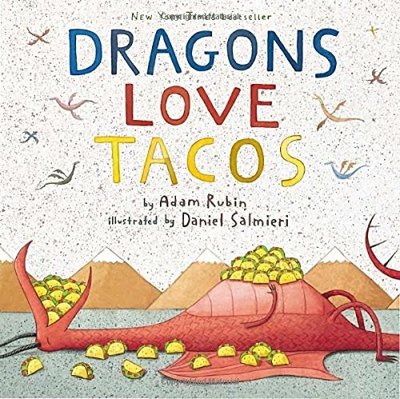
Dragons Love Tacos
Dragons adore tacos but salsa is a catastrophe waiting to happen. Absurd premise, flawless internal logic - exactly how preschool imagination works. Destined to be quoted at dinner.
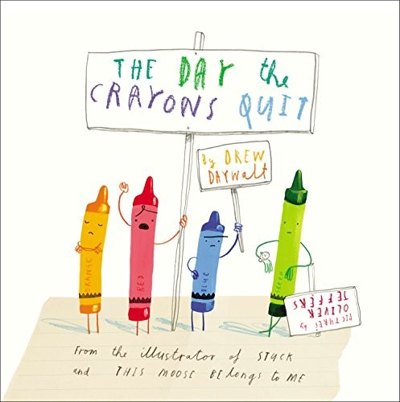
The Day the Crayons Quit
Duncan's crayons write him letters of complaint. Point-of-view is the joke: even a crayon has feelings and grievances. Sparks both giggles and surprisingly deep questions about fairness.
The stages overlap generously — follow the child, not the label. If a book doesn’t land tonight, shelve it and try again in a season; readiness arrives on its own schedule.
See how we build a love of reading into every day: explore our curriculum or come visit a classroom.