


The Whole-Child Series: Raising Capable, Curious, Confident Learners
Written by our teachers, independent by design — no paid placements, ever.
A child can memorize letters and numbers — but what kind of learner are they becoming? This series follows one thread from pouring water to critical thinking, early literacy and math, resilience, social skills, and what it all means in a world of screens and AI. Start at Part 1, or jump to the question on your mind.
Part 1: The Whole-Child Approach: Raising Capable, Curious, Confident Learners
Beyond early reading and math drills: what a whole-child approach really means, and why the goal of early education is a capable, curious learner.
Read the guide →
Part 2: What Whole-Child Development Really Means (It's Not Four Separate Boxes)
Cognitive, physical, emotional, social — the four domains aren't separate boxes. How one simple activity like pouring water develops all of them at once.
Read the guide →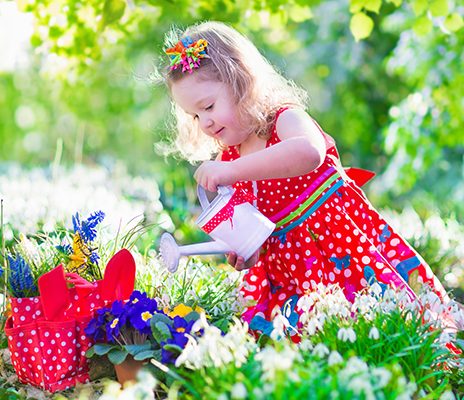
Part 3: Practical Life: Why Independence Begins With Ordinary Things
Hand washing, pouring, sweeping: why Practical Life work is real learning, and how calibrated support turns everyday tasks into independence.
Read the guide →
Part 4: From Practical Life to Critical Thinking
Preschoolers don't need a critical-thinking class. They need real questions. How sorting, building, and cooking become early scientific thinking.
Read the guide →
Part 5: From Concrete Experience to Abstract Thinking
Children read the world before they read words. Why concrete experience with real objects is the bridge to abstract symbols, numbers, and ideas.
Read the guide →
Part 6: Reading and Writing: Opening the Door to Ideas
Literacy is more than letters: how reading opens independent access to ideas, and writing lets a child put their own thinking into the world.
Read the guide →
Part 7: Early Mathematics: Beyond Memorizing Numbers
Counting to 100 isn't math understanding. How early quantitative thinking — patterns, comparison, equal groups — builds the real foundation.
Read the guide →
Part 8: Emotional Development: Learning to Stay With a Problem
Puzzles that won't fit and towers that fall: why staying with a hard problem — not avoiding frustration — builds resilience in young children.
Read the guide →
Part 9: Social Development: Learning That Other People Are Real, Too
Sharing, waiting, negotiating: how preschool social friction becomes the collaboration and perspective-taking skills that matter for life.
Read the guide →
Part 10: Discovering Your Child's Strengths — Without Putting Them in a Box
Every child has emerging strengths. How rich, varied experience — plus patient observation — reveals them without labeling a four-year-old.
Read the guide →
Part 11: Acceleration vs. Development: The Race Most Families Don't Need to Run
Acceleration asks how fast; development asks how strong the foundation. Why childhood isn't a race — and what 'ahead' really costs.
Read the guide →
Part 12: The Screen-Age Paradox: Preparing Children for a World Shaped by AI
A child who can swipe a tablet but can't pour water: the screen-age paradox, and why hands-on capability matters more in a world shaped by AI.
Read the guide →
Part 13: What Should Parents Look For? Choosing a Whole-Child Program
Ten questions that reveal more than any brochure: how to evaluate a preschool for independence, thinking, mistakes, challenge, and heart.
Read the guide →Part 14: The Deeper Purpose of Early Education
Small moments — washing hands, pouring water, finishing a puzzle — add up to the biggest question: what does my child believe about their own learning?
Read the guide →More guide collections: Expecting & Preparing for Baby · The First Weeks, Work & Family Money · Everyday Care: Sleep, Food, Potty & Health · Behavior, Discipline & Growing Up · Taking Care of You
Or browse all our guides in one list →
← Back to Parent Resources