


The Best Books About Feelings for Kids: 17 Teacher Picks
Books that name a feeling before it becomes a floor moment
A child who can name a feeling has somewhere to put it. These books do that work in ordinary ways: a monster sorting his tangled colors into jars, a monkey who is allowed to stay grumpy all day, a rabbit who sits down close and simply listens.
We chose the ones our teachers reach for during a hard morning, plus a few for laps and cribs, because emotional vocabulary starts long before speech does. Some name one feeling clearly. Others let a child watch a big feeling rise, break, and pass.
Every reviewed title here has been read aloud to children in our classrooms, and we kept only the ones that hand a child language rather than a lecture. 12 of them come from The Best Children’s Books by Age, our 120-book teacher list, and carry a full review you can open; the remaining 5 are titles our teachers also reach for on this theme but have not written up individually yet. No author or publisher paid to be on this list, and we earn no commission if you buy a single book; every pick is a classroom pick.
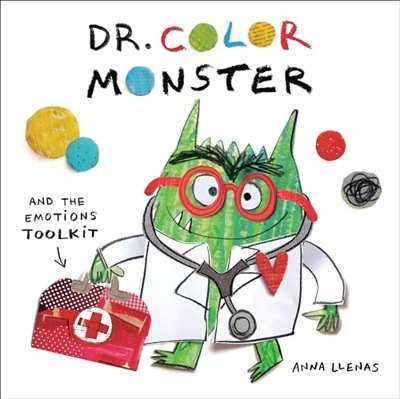
The Color Monster
Feelings arrive tangled and leave sorted into colored jars. Children take the filing system literally and start using it, the red jar and the yellow jar, within a day or two.
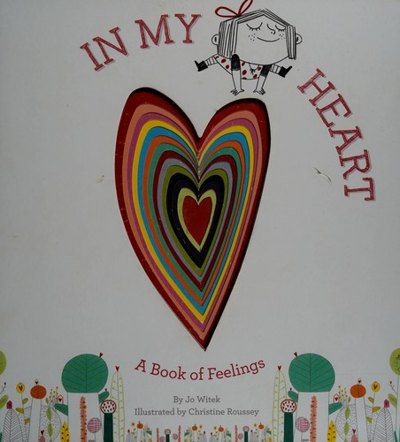
In My Heart: A Book of Feelings
A die-cut heart shrinks page by page as each feeling gets named. Children put a hand over the hole while you read, so the metaphor lands physically.
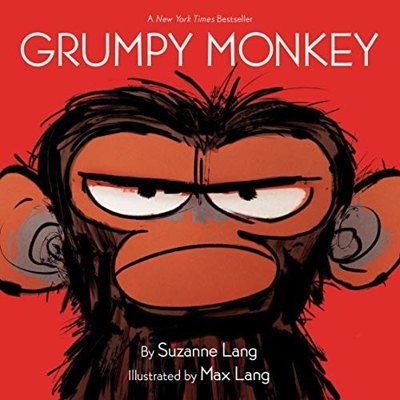
Grumpy Monkey
Jim Panzee is grumpy and every helpful suggestion makes it worse. Preschoolers relax visibly at the permission to feel bad for a while without having to fix it.
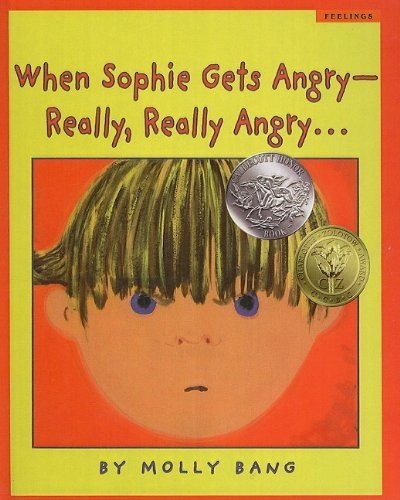
When Sophie Gets Angry — Really, Really Angry...
Anger turns the pages red and jagged, then cools as Sophie walks it off outdoors. Children recognize the volcano immediately and notice the exit without being told.
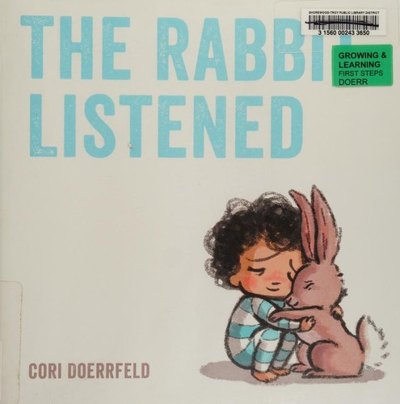
The Rabbit Listened
Every animal offers advice after the blocks fall; only the rabbit sits close and says nothing. It shows what comfort looks like instead of explaining it.
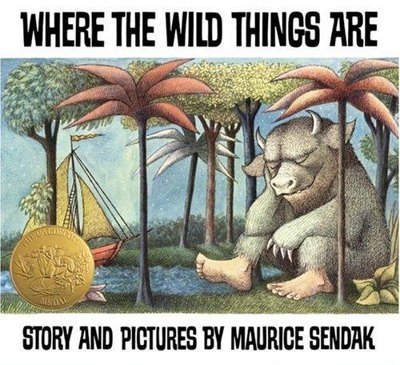
Where the Wild Things Are
Max's rage sails somewhere magnificent and returns to a supper still hot. It honors a big feeling fully without suggesting the child is bad for having had it.
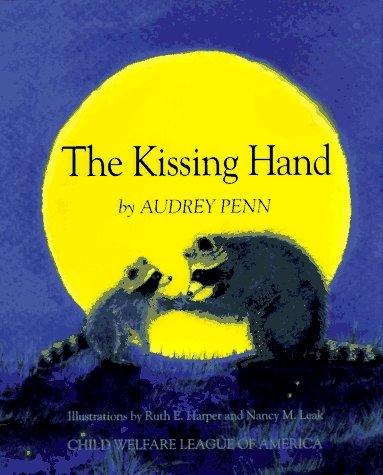
The Kissing Hand
A kiss pressed into the palm, redeemable all day. Families leave with an actual tool for hard goodbyes, which is why teachers keep this one out in September.
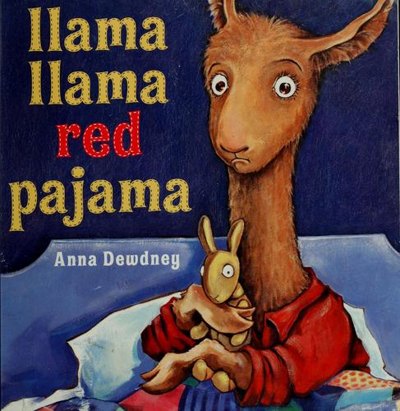
Llama Llama Red Pajama
Bedtime worry builds to full panic and then Mama comes. Toddlers who cannot yet describe separation anxiety can chant the rhyme that names it for them.
Owl Babies
Three owlets wait in the dark, tell each other it will be fine, and their mother comes back. The reassurance is built into the structure, not tacked on.
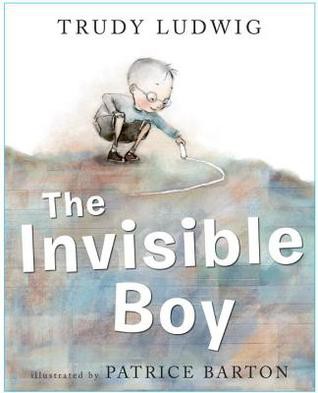
The Invisible Boy
Quiet Brian is drawn in gray until a classmate notices him and color arrives. It gives words to the child watching from the edge of the rug.
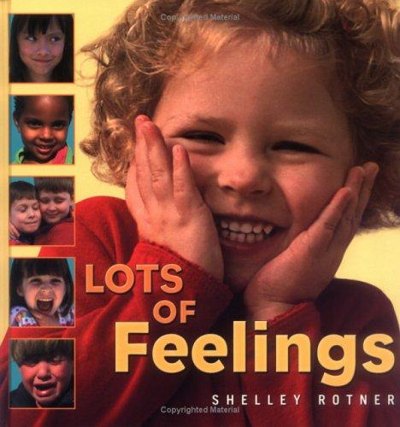
Lots of Feelings
Photographs of real children caught mid-feeling, labeled plainly. Real faces beat drawn ones for this work, and toddlers will study them for a surprisingly long time.
Making Faces: A First Book of Emotions
Five big baby faces, five feelings, and a mirror at the end. Imitation is how emotional learning starts, and this asks for it directly, before words arrive.
My Many Colored Days
Seuss matches moods to colors and animals in short thumping lines. Useful for the child who feels something strongly but rejects the standard vocabulary of sad, mad, happy.
The Feelings Book
Blunt lines and hot colors: sometimes I feel silly, sometimes I feel like standing on my head. Short enough for a two-year-old, and it never once moralizes.
Ruby Finds a Worry
A worry appears as a small yellow blob and grows until Ruby says it out loud. Children who carry things silently tend to go quiet in a telling way here.
Today I Feel Silly & Other Moods That Make My Day
One mood per rhymed spread, with a spinning face wheel at the end that children work long after the reading stops. Good for moods that shift by the hour.
Alexander and the Terrible, Horrible, No Good, Very Bad Day
Nothing gets solved; the day is simply bad, and Australia turns out not to be the answer. Older preschoolers laugh in recognition, which is its own kind of relief.
More teacher-picked book lists
Prefer to browse by age? Start with the full by-age guide, or jump to babies, toddlers, preschoolers or beginning readers.
See how we build a love of reading into every day: explore our curriculum or come visit a classroom.