


The Best Lift-the-Flap Books for Toddlers: 15 Teacher Picks
Flaps a toddler can work alone, and surprises that survive the hundredth lift
A flap turns a book into something a toddler does rather than watches. Lifting one is a question asked with the fingers, and the answer arrives immediately. That loop, act and reveal and act again, is why this format holds attention at an age when almost nothing does.
We looked for two things: flaps thick enough to survive a two-year-old's grip, and reveals that still earn a reaction after fifty readings. Ten of these are on our reviewed shelf; five more are ones teachers keep in their own bags.
We included only books where the flap, die-cut, or tab is doing real work in the story rather than decorating it. 10 of them come from The Best Children’s Books by Age, our 120-book teacher list, and carry a full review you can open; the remaining 5 are titles our teachers also reach for on this theme but have not written up individually yet. No author or publisher paid to be on this list, and we earn no commission if you buy a single book; every pick is a classroom pick.
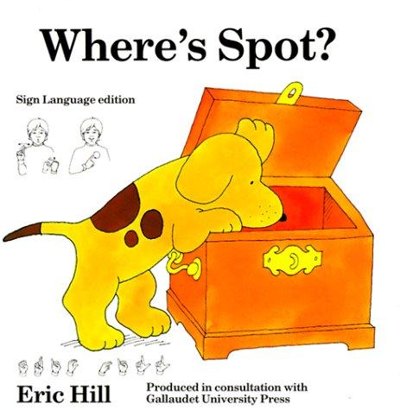
Where's Spot?
The book that invented the flap plot. Spot is behind exactly one of them, and toddlers who have memorized which one still lift every wrong door first.
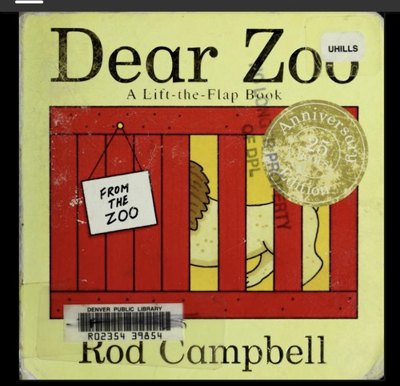
Dear Zoo
Each flap is a crate, and the wrong animal is inside. Eight spreads, one running joke, and a final puppy that toddlers wait for with visible impatience.
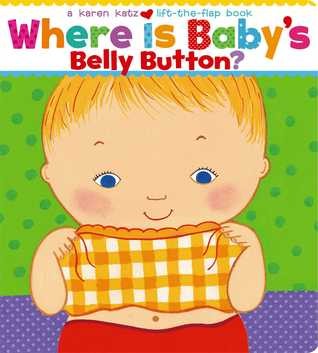
Where Is Baby's Belly Button?
Chunky flaps sized for unskilled fingers, hiding hands, feet, and the belly button. Body-part naming and peekaboo happen in the same motion, which is why it never gets boring.
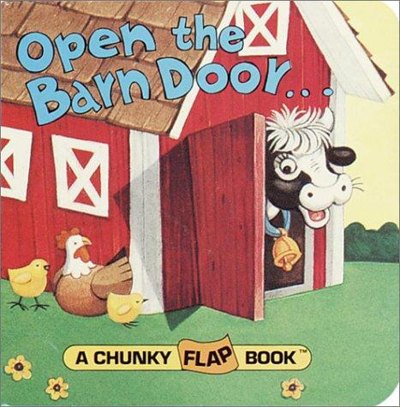
Open the Barn Door
Flap after flap of farm animals, each one an invitation to shout the sound. It is the animal-noise exam every toddler wants to take, and they always pass.
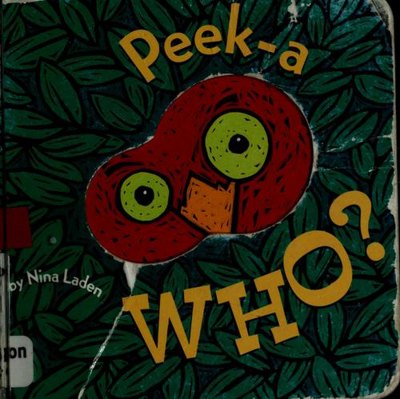
Peek-a Who?
Die-cut windows show part of the answer before the rhyme confirms it, so toddlers guess out loud. The mirror on the last page makes the child the final reveal.
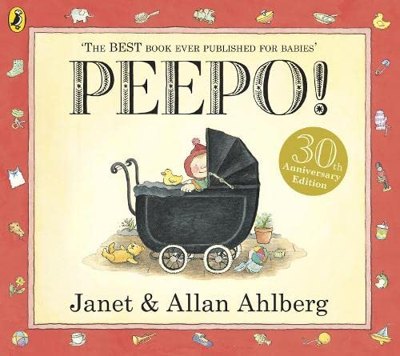
Peepo!
A die-cut hole gives the baby's-eye view first, then the page turn shows the whole crowded room. Toddlers peep, guess, and then hunt the full scene for the dog.
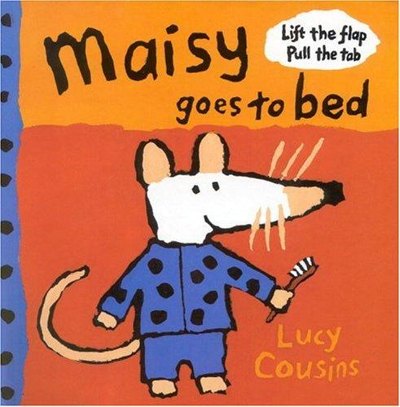
Maisy Goes to Bed
Tabs to pull and flaps to lift, all in service of a bedtime routine the toddler already knows. The moving parts are simple enough to operate without help.
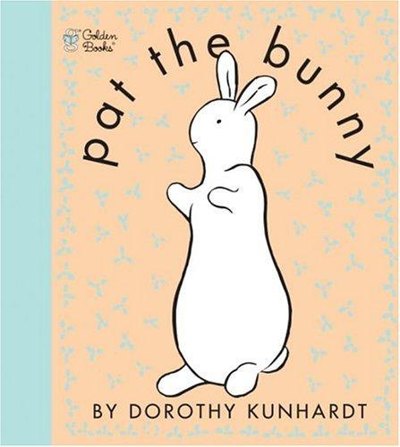
Pat the Bunny
The original doing-book, and the peek-behind-the-cloth page is still the one children turn to first. Everything here is a small task a baby can complete.
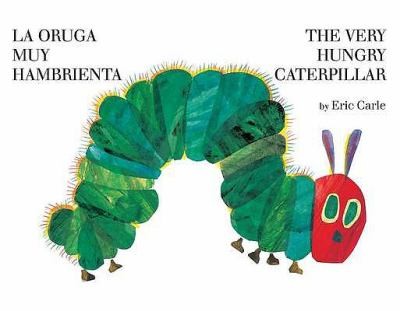
The Very Hungry Caterpillar
The die-cut holes make the eating physical: a finger goes through each fruit as the caterpillar does. Toddlers work the holes long before they follow the days of the week.
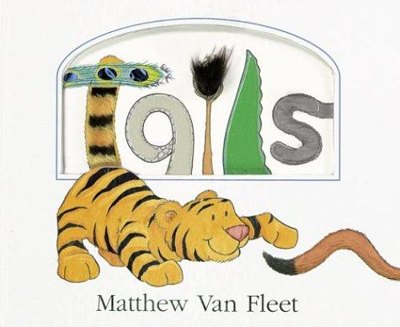
Tails
Flaps, pull-tabs, fur, and a scratch-and-sniff skunk in one book. It is closer to an activity board than a story, which suits toddlers who cannot yet sit still.
Where's Mr Lion?
Five felt flaps, one animal behind each, and a mirror at the end. The felt is soft and hinged well, so it survives the grip that tears paper flaps in a week.
Spot Goes to the Farm
Spot hunts for the new baby animals, and each flap hides one. Same mechanism as the first book with more animals to name, which extends the format's useful life.
Little Blue Truck's Springtime
Flaps open onto newborn farm animals as Blue drives past. The rhyme is short and the flaps are wide, so a toddler can turn the pages and work them at once.
Toes, Ears, & Nose!
Flaps lift snowsuits and blankets to find the body part underneath. It doubles as a getting-dressed book, useful in the winter months when everything takes twice as long.
The Wheels on the Bus
Tabs make the wipers swish and the doors open, so the song becomes something the child operates. The moving parts are intricate; expect to sit alongside for the first few readings.
More teacher-picked book lists
Prefer to browse by age? Start with the full by-age guide, or jump to babies, toddlers, preschoolers or beginning readers.
See how we build a love of reading into every day: explore our curriculum or come visit a classroom.