


The Best Nature Books for Preschoolers: 14 Teacher Picks
Books that send a four-year-old outside to check whether it is true
Nature books work best when they end outdoors. A preschooler who reads about clouds will spend the next car ride naming them, and one who reads about seeds will want a bean and a wet paper towel by afternoon. The book is the beginning, not the lesson.
These fourteen are accurate without being dry. Several are straight nonfiction with labeled diagrams; others are stories that happen to teach how a garden or a winter actually works. Nine come from our reviewed collection and five are additions our teachers use in the classroom garden.
Each of these has led to something being planted, collected, or looked up in one of our classrooms. 9 of them come from The Best Children’s Books by Age, our 120-book teacher list, and carry a full review you can open; the remaining 5 are titles our teachers also reach for on this theme but have not written up individually yet. No author or publisher paid to be on this list, and we earn no commission if you buy a single book; every pick is a classroom pick.
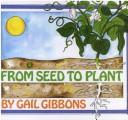
From Seed to Plant
Gibbons draws the whole process, pollination included, with labeled cross-sections a four-year-old can read. Pair it with a bean in a jar and the diagrams become a prediction.
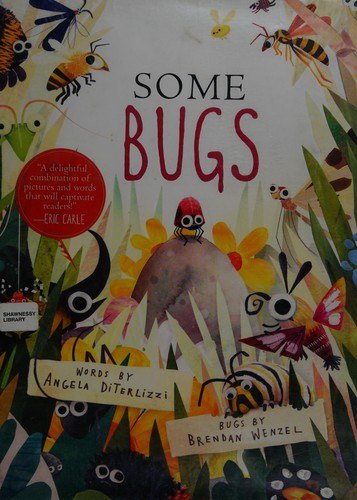
Some Bugs
A rhyming field guide to what is actually in the yard. Every verb is an observable behavior, and the seek-and-find at the back sends children out to check.
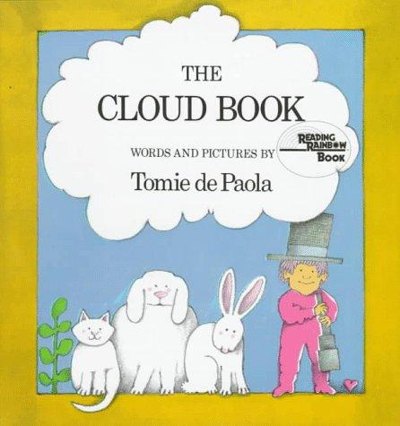
The Cloud Book
All ten cloud types, plus the folklore about what each one predicts. Children start identifying real clouds within a day, usually loudly, usually from the back seat.
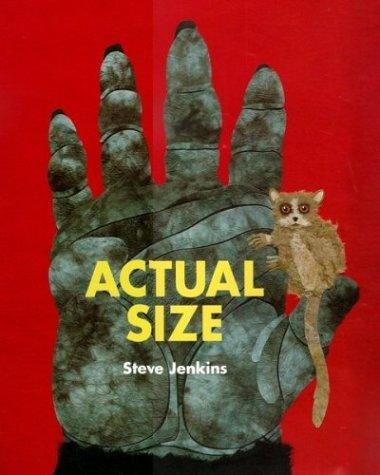
Actual Size
Animal parts printed at true scale, so a child measures a hand against a gorilla's. Preschoolers compare bodily before they compare numerically, and this book knows it.
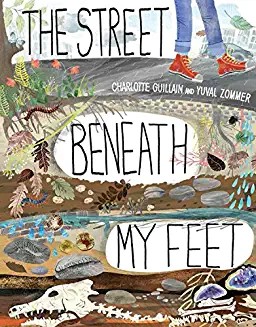
The Street Beneath My Feet
A two-meter fold-out that goes down from the sidewalk through pipes, fossils, and rock to magma. The cross-sections are dense enough to reward a dozen returns.
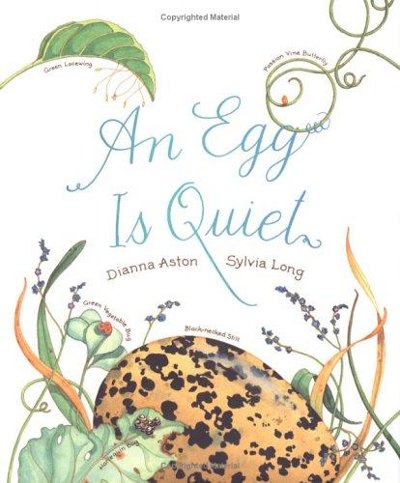
An Egg Is Quiet
Dozens of real eggs painted at scientific fidelity, labeled in a small hand. The quiet gallery design slows children down until they are genuinely looking rather than flipping.
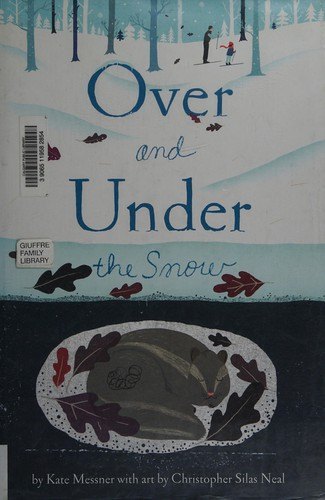
Over and Under the Snow
A child skis over a hidden world of animals wintering underneath. It gives preschoolers the idea that the visible landscape has layers, which is where science starts.
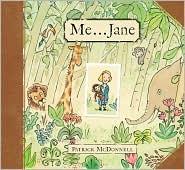
Me... Jane
Jane Goodall's childhood is mostly watching: a garden, a henhouse, a toy chimpanzee. It shows preschoolers that paying close attention to animals is already the work.
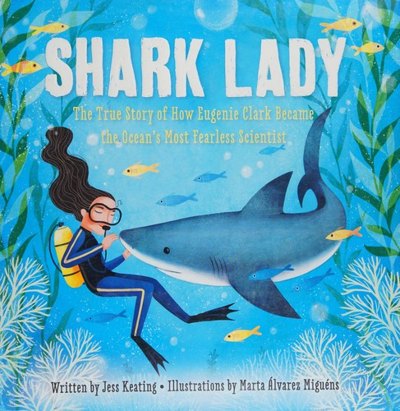
Shark Lady
Eugenie Clark studied the animal everyone else feared, and the aquamarine spreads make the ocean look worth the trouble. Useful for the child whose animal obsession worries adults.
Owl Moon
A father and child walk out at night to look for an owl, and mostly they are quiet and cold. It teaches what waiting outdoors actually feels like.
The Curious Garden
A boy tends a few struggling plants on a disused railway and the greenery spreads across a gray city. Preschoolers follow the change page by page and want a plot of their own.
A Seed Is Sleepy
The companion to An Egg Is Quiet, built the same way: painted specimens, one plain sentence per spread, and real botanical detail underneath for the child who asks.
Planting a Rainbow
Bulbs, seeds, and seedlings become a garden sorted by color, with cut pages for the flower spreads. It doubles as a planting sequence and a color-sorting work.
Outside Your Window: A First Book of Nature
Short poems arranged by season, from frogspawn to fallen leaves, with painted spreads that name real species. We read one or two at a time rather than straight through.
More teacher-picked book lists
Prefer to browse by age? Start with the full by-age guide, or jump to babies, toddlers, preschoolers or beginning readers.
See how we build a love of reading into every day: explore our curriculum or come visit a classroom.