


The Best Diverse Children's Books: 17 Teacher Picks
Faces, families, and places, chosen because children see themselves and each other
The word diverse covers two different jobs. One is the mirror: a child finding their own face, hair, and family on a page without it being the subject of the book. The other is the window: meeting a child in Gambia or Ghana as a person, not a lesson.
This list runs from board books of real baby faces up to true stories for beginning readers. Several are about belonging rather than identity, about who gets let into the club and who gets noticed. Twelve are from our reviewed shelf; five are additions.
We chose books where the child on the page is a specific person with a story, not a stand-in for a category. 12 of them come from The Best Children’s Books by Age, our 120-book teacher list, and carry a full review you can open; the remaining 5 are titles our teachers also reach for on this theme but have not written up individually yet. No author or publisher paid to be on this list, and we earn no commission if you buy a single book; every pick is a classroom pick.
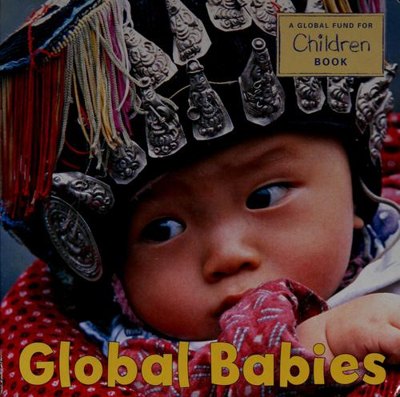
Global Babies
Seventeen real babies from seventeen cultures, each looking straight out of the page. Infants stare longest at faces, and this hands them a whole world's worth without commentary.
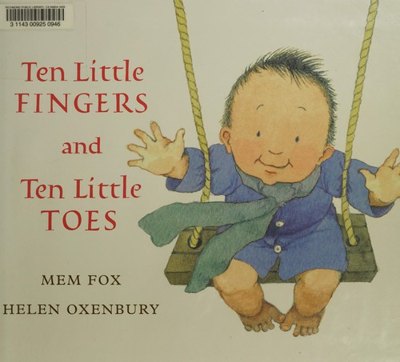
Ten Little Fingers and Ten Little Toes
Babies born in very different circumstances share one refrain and one lap. Oxenbury paints each as a specific child, and the counting invites touching the reader's own fingers and toes.
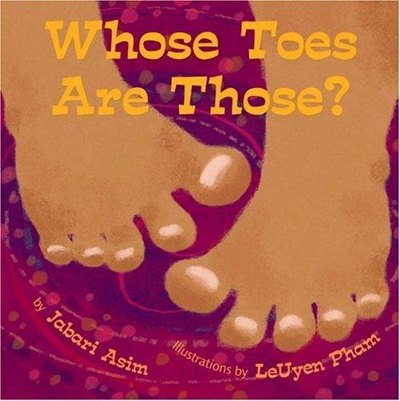
Whose Toes Are Those?
A toe-wiggling lap game written down, with LeUyen Pham's illustrations of a Black baby being thoroughly adored. Board books ignored this for decades; this one closes the gap at a giggle.
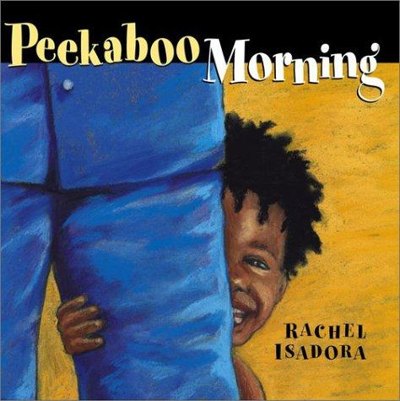
Peekaboo Morning
An ordinary morning with parents, grandparents, and the dog, structured as rounds of peekaboo. Isadora's pastels give a Black family the painterly treatment board books rarely bother with.
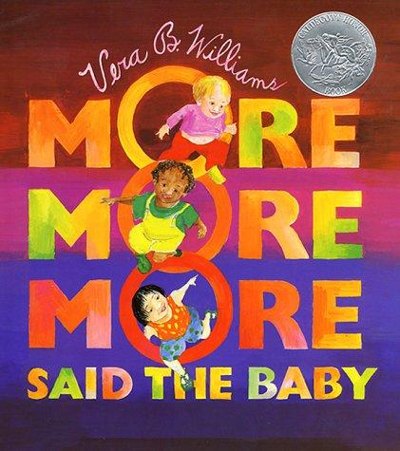
“More More More,” Said the Baby
Three families, three skin tones, and the same physical vocabulary of love: the chase, the scoop, the belly kiss. The gouache is as thick and bright as finger paint.
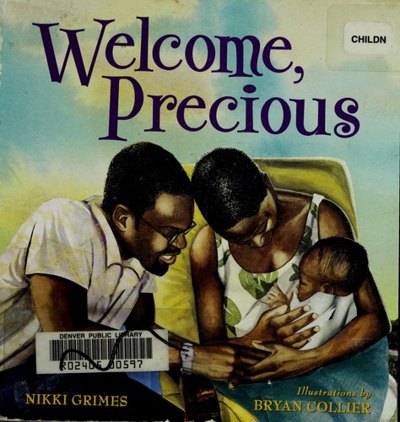
Welcome, Precious
Nikki Grimes writes directly to a new baby about soap bubbles and the swish of leaves. Bryan Collier's collage gives the language the weight it deserves; the text rewards adult rereading.
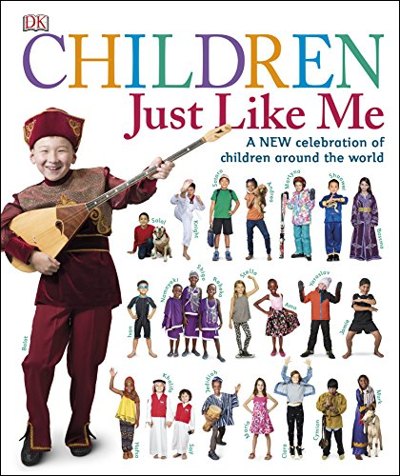
Children Just Like Me
Real children from dozens of countries present their own homes, breakfasts, and school runs. Kindergarteners browse it one country per sitting and come back with questions for weeks.
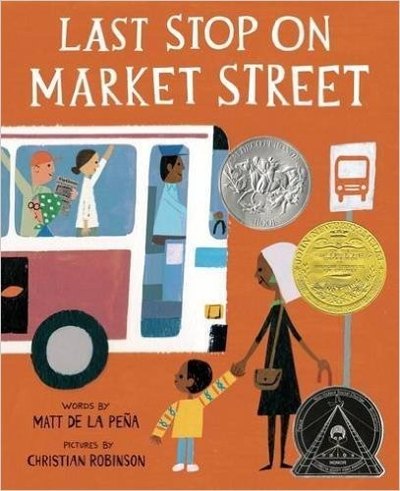
Last Stop on Market Street
CJ asks why they do not have a car, and his nana answers by pointing at what is actually there. Christian Robinson paints buses, rain, and a soup kitchen line as worth looking at.
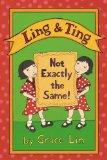
Ling & Ting: Not Exactly the Same!
Twin sisters insist they are not the same person, across six mini-stories with real jokes. The representation is texture rather than topic, which is what beginning readers need more of.
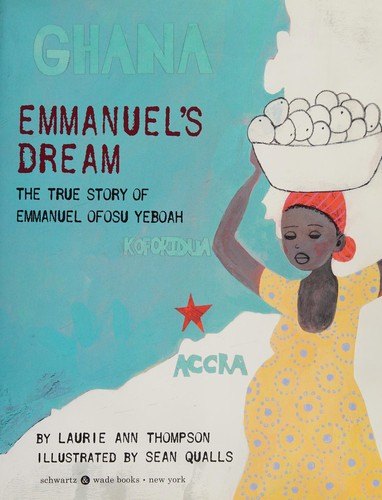
Emmanuel's Dream
Emmanuel Ofosu Yeboah cycled four hundred miles across Ghana with one strong leg. Told plainly, so the disability reads as the premise of the achievement rather than an asterisk.
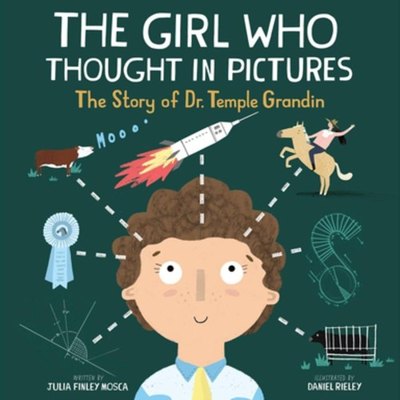
The Girl Who Thought in Pictures
Temple Grandin's autism is presented as how she thinks, not what is wrong with her, and the illustrations show the picture-thinking rather than describing it. Useful in a classroom of different minds.
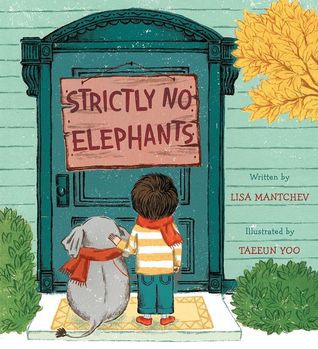
Strictly No Elephants
Turned away from the pet club, a boy and his elephant start a better one. The children write the rule that says everyone is welcome, which is why the inclusion holds.
The Snowy Day
Peter walks into fresh snow and does what any child does: drags a stick, makes a snowball, pockets it. Nothing about him is explained, which was the point in 1962 and still is.
Hair Love
Zuri's father learns to do her hair, badly at first, with a tutorial video and real determination. Children with textured hair see it treated as a skill worth mastering, not a problem.
All Are Welcome
A school day in a classroom where every family looks different, carried by a repeating refrain. We use it in the first weeks of the year because the refrain becomes something children say.
Eyes That Kiss in the Corners
A girl notices her eyes look like her mother's and grandmother's rather than her classmates'. The language turns a difference she might have hidden into something inherited and held.
Dreamers
Morales tells her own arrival in the United States with a baby and no English, and the public library as the turn. The back matter lists the actual books that taught her.
More teacher-picked book lists
Prefer to browse by age? Start with the full by-age guide, or jump to babies, toddlers, preschoolers or beginning readers.
See how we build a love of reading into every day: explore our curriculum or come visit a classroom.