


The Best Science Books for Preschoolers: 17 Teacher Picks
Real answers for the age that asks why forty times before lunch
Three-to-five-year-olds ask questions faster than any adult can answer them. The books here answer honestly and at their scale, with diagrams and photographs rather than cartoons. Most of them end with a child wanting to go outside and check something, which is the point.
We look for two things: information a preschooler can actually hold, and a hook that sends them back to the real world. A bean in a wet paper towel, a cloud out the car window, a hand laid flat against a gorilla's on the page.
These are the nonfiction titles our Why-Askers pull off the shelf themselves, tested against the questions they actually ask us. 12 of them come from The Best Children’s Books by Age, our 120-book teacher list, and carry a full review you can open; the remaining 5 are titles our teachers also reach for on this theme but have not written up individually yet. No author or publisher paid to be on this list, and we earn no commission if you buy a single book; every pick is a classroom pick.
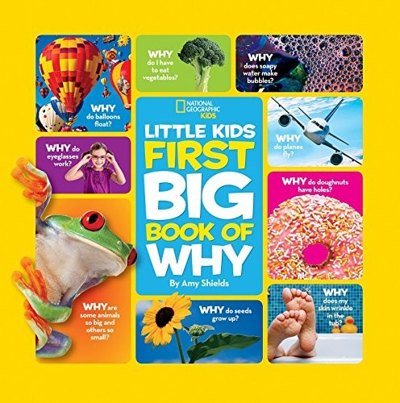
National Geographic Little Kids First Big Book of Why
Built from real children's questions and answered with photographs. It works as the household answer key, and it makes finding out something you do together with pages.
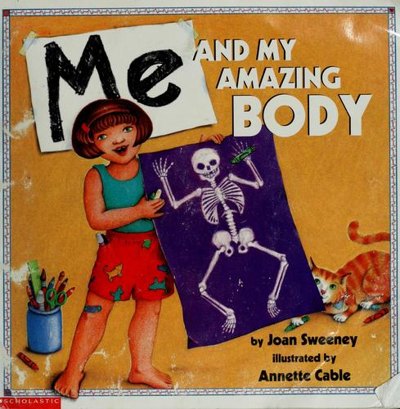
Me and My Amazing Body
A child gives the tour of her own skin, bones, muscles, and brain. Anatomically honest, never scary, and it answers the questions that come up in the bath.
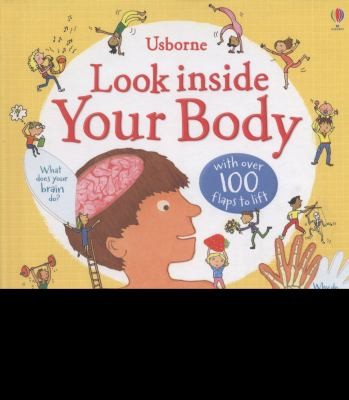
Look Inside Your Body
Flaps inside flaps, so anatomy arrives at whatever pace the child chooses to lift. Asking a question with your fingers suits this age better than a diagram alone.
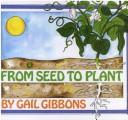
From Seed to Plant
Gibbons explains one process completely, pollination included, with labeled cross-sections. Pair it with a real bean and a week of waiting and the diagrams start meaning something.
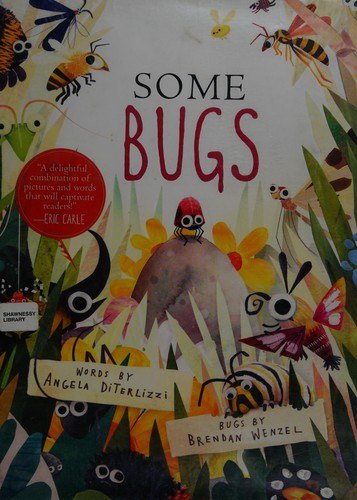
Some Bugs
A rhyming field guide in which every verb is a behavior a child can go and verify. The seek-and-find at the back sends them straight into the yard.
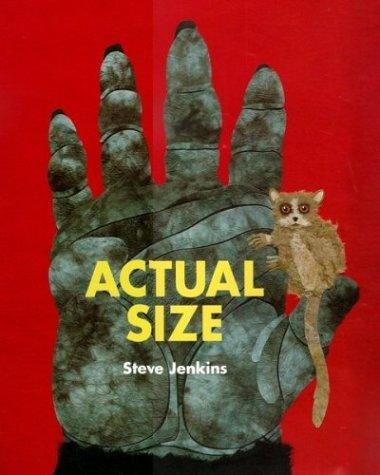
Actual Size
A gorilla's hand and a giant squid's eye printed at true scale. Children lay their own hands on the page, which is how this age measures anything.
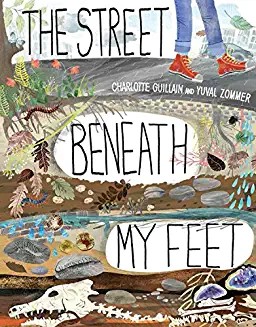
The Street Beneath My Feet
A two-meter fold-out that goes straight down from the sidewalk to magma. Pure theater, and it answers a question children did not know they were allowed to ask.
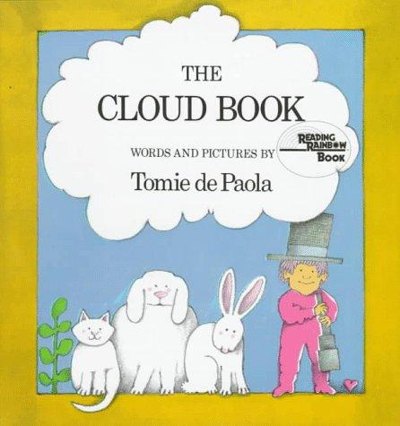
The Cloud Book
All ten cloud types, with the folklore attached. Children start naming real clouds within a day, which turns every car ride into observation practice.
Hello, World! Solar System
The planets in the right order, in short sentences, with no existential dread anywhere. First astronomy that fits inside the fifteen minutes before dinner.
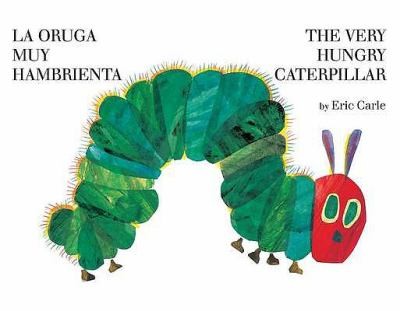
The Very Hungry Caterpillar
Metamorphosis, counting, and the days of the week smuggled into a book with holes to poke. The youngest end of this list, and often a child's first science.
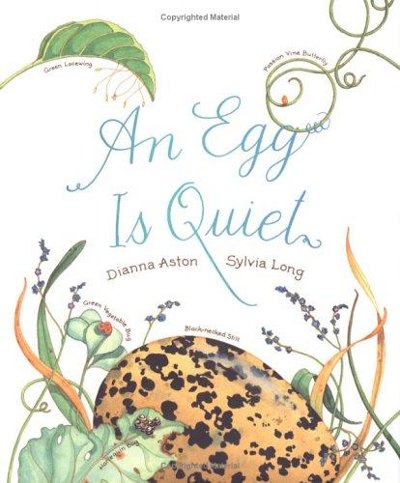
An Egg Is Quiet
Dozens of real eggs painted at scientific fidelity and labeled in a hand-lettered whisper. The hushed design slows children into looking properly, which is the underlying skill.
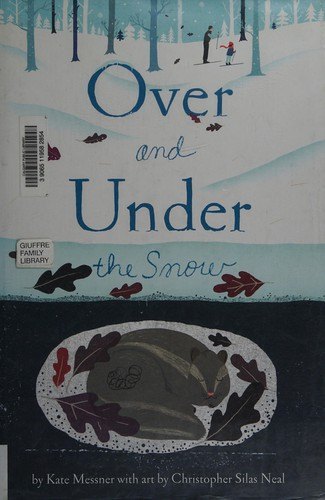
Over and Under the Snow
A child skis over a hidden world of animals wintering below. Children finish it wondering what else the visible world is covering up, which is science switching on.
What Do You Do With a Tail Like This?
A nose, an ear, a tail shown alone, then the whole animal revealed on the turn. Preschoolers guess out loud every time, and the back matter holds real detail.
Gravity
Fewer than a hundred words explain why things fall and why the moon does not. The paintings carry the argument, and the back pages hold more for a curious five-year-old.
From Tadpole to Frog
A Let's-Read-and-Find-Out title following one pond through a year. Clear enough to read beside an actual tadpole jar, which is exactly how we use it in spring.
How Do Apples Grow?
Bud to blossom to fruit, drawn step by step. It reframes an apple as the end of a long process, and it holds up well on either side of an orchard trip.
National Geographic Little Kids First Big Book of Space
Photographs of the planets with short factual captions and no invented characters. For the child whose space questions have already outrun a first solar system book.
More teacher-picked book lists
Prefer to browse by age? Start with the full by-age guide, or jump to babies, toddlers, preschoolers or beginning readers.
See how we build a love of reading into every day: explore our curriculum or come visit a classroom.