



The Best Books About Friendship for Preschoolers: 13 Teacher Picks
Books for the year when friendship stops being parallel play
Around three, children stop playing beside each other and start playing with each other, and the trouble begins. Someone is left out. Someone will not share. Someone needs comforting and gets advice instead. These books put those situations on the table where a group can look at them together.
None of them end with a rule. The ones that work show a specific child doing a specific thing — noticing, sitting close, opening the club to everyone — and let the listeners draw the conclusion. That conversation afterward is usually more valuable than the reading.
Every title here has held up in a real circle of three- to five-year-olds, which rules out most books that announce their lesson in the first sentence. 8 of them come from The Best Children’s Books by Age, our 120-book teacher list, and carry a full review you can open; the remaining 5 are titles our teachers also reach for on this theme but have not written up individually yet. No author or publisher paid to be on this list, and we earn no commission if you buy a single book; every pick is a classroom pick.
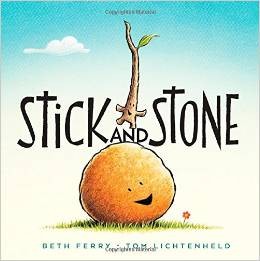
Stick and Stone
Two shapes, ten-word sentences, and the whole sequence of friendship: standing up for someone, drifting apart, coming back. Preschoolers follow the plot without any help from an adult.
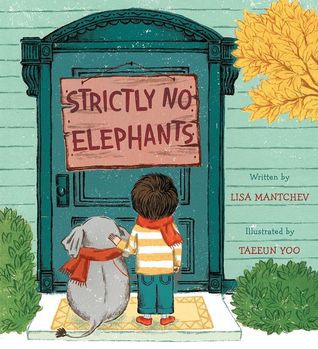
Strictly No Elephants
A boy turned away from the pet club builds a better one. Preschoolers argue about the exclusion for days, which is exactly the conversation worth having.
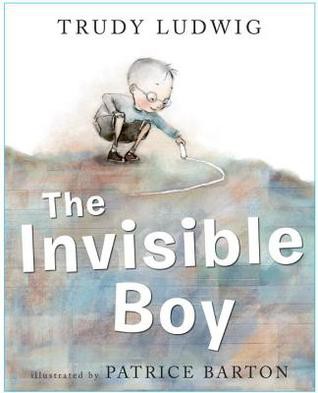
The Invisible Boy
Brian is drawn in gray until a classmate notices him and color arrives. Children who watch from the edge recognize themselves; the others learn what noticing looks like.
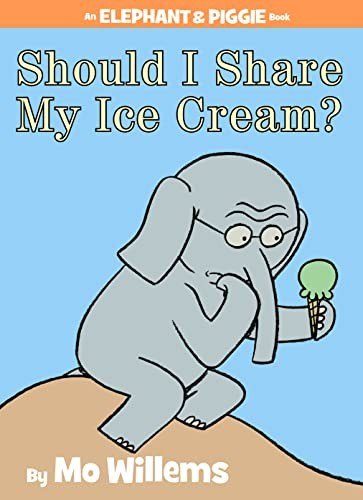
Should I Share My Ice Cream?
Gerald deliberates until the ice cream melts. The dilemma is real to a four-year-old, and the ending lets generosity count even though it arrived too late.
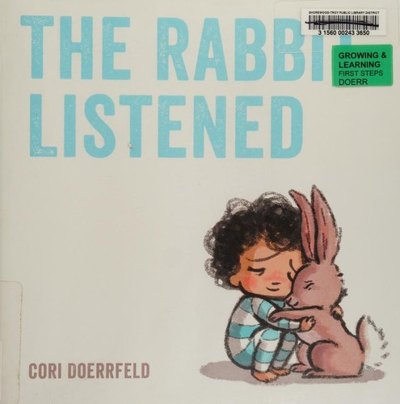
The Rabbit Listened
Every animal offers a fix; only the rabbit sits close and says nothing. Children copy this at the classroom level within about a week of hearing it.
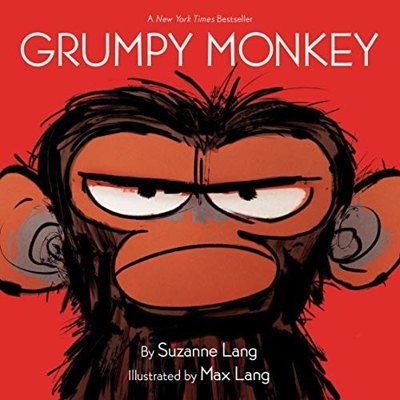
Grumpy Monkey
Jim is in a bad mood and his friends keep trying to fix it. The last spread — grumpy together, quietly — is the most useful page in the book.
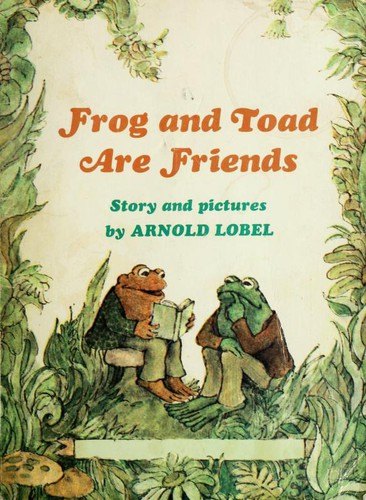
Frog and Toad Are Friends
Five short stories about patience, waiting, and a lost button. Read aloud to preschoolers, it models a friendship where neither one has to be entertaining.
There Is a Bird on Your Head!
Gerald panics, Piggie helps, and the whole exchange happens in speech bubbles. Preschoolers take a part and perform the friendship rather than just hearing about it.
A Sick Day for Amos McGee
The zookeeper stays home ill, so the animals take the bus to him. Friendship shown as small specific attention: a game of chess, a shared handkerchief.
Enemy Pie
A boy spends a whole day with the enemy he plans to poison and forgets to stay angry. Children usually spot the trick before the narrator does.
Gossie and Gertie
Two goslings do everything together until Gertie stops following. Short sentences and a small falling-out make it usable with three-year-olds who are new to disagreement.
Little Blue and Little Yellow
Torn paper circles hug until they turn green and their parents no longer recognize them. Abstract, and preschoolers still follow the feeling exactly, which surprises adults every time.
Chester's Way
Two mice with matching habits meet Lilly, who does everything differently. It shows a friendship widening rather than breaking, which is the harder thing to picture.
More teacher-picked book lists
Prefer to browse by age? Start with the full by-age guide, or jump to babies, toddlers, preschoolers or beginning readers.
See how we build a love of reading into every day: explore our curriculum or come visit a classroom.