


The Best Books About Imagination for Kids: 16 Teacher Picks
For the age when a cardboard box outranks the toy that came in it
Pretend play peaks somewhere between three and six, and it is not decoration. A child working out that a box can be a rocket is practicing the same move an adult makes when imagining a plan that does not exist yet. Books can feed it or flatten it.
The ones that feed it leave a gap. They show the invented thing and the ordinary thing on the same page, or hand over the telling entirely. Children close the books below and go looking for a box, a crayon, or a corner of the yard.
We chose books that hand the imagining back to the child rather than doing it all on the page, which is why several of them end with a class scattering to build something. 11 of them come from The Best Children’s Books by Age, our 120-book teacher list, and carry a full review you can open; the remaining 5 are titles our teachers also reach for on this theme but have not written up individually yet. No author or publisher paid to be on this list, and we earn no commission if you buy a single book; every pick is a classroom pick.
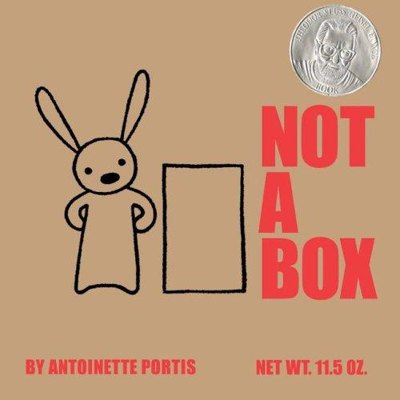
Not a Box
The rabbit's box is drawn in black and everything he imagines is drawn in red, so pretending becomes visible. Hand a child a real box afterward and stand back.
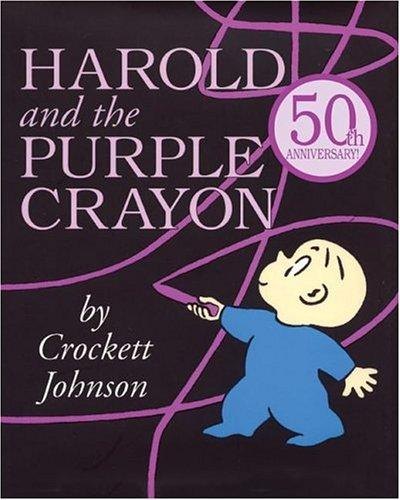
Harold and the Purple Crayon
Harold draws his way forward and has to solve every problem he draws himself into. Preschoolers grasp immediately that inventing something means living with it.
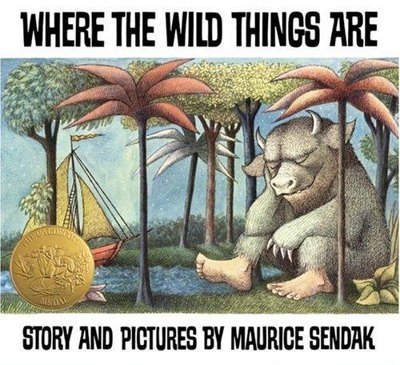
Where the Wild Things Are
Max's bedroom becomes a forest because he is angry, and the anger goes somewhere magnificent before supper. Imagination here is doing a job, not decorating one.
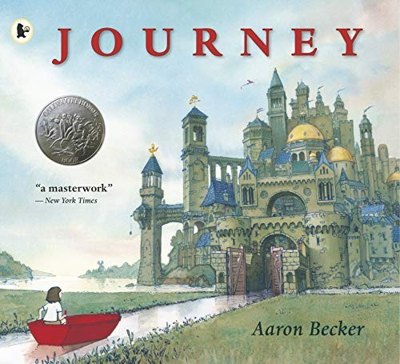
Journey
A girl draws a red door and walks through it, with no words to steer her. Every reading produces a different story because the child is the one telling it.
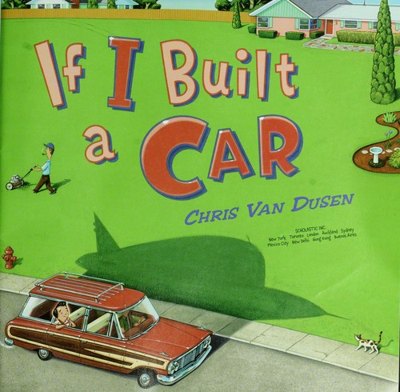
If I Built a Car
Jack designs a car with a pool and a snack bar and no regard for physics. Children start listing what would be in theirs before the book is finished.
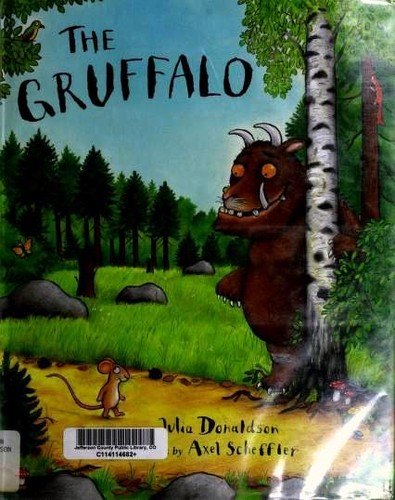
The Gruffalo
The mouse invents a monster to scare off predators and then meets it. The plot rewards a child who is just learning you can make something up on purpose.
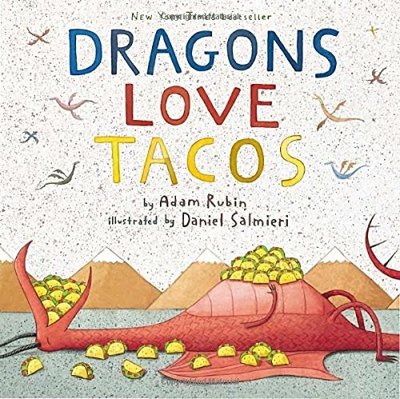
Dragons Love Tacos
An absurd premise followed with total seriousness, down to the fine print about salsa. This is how preschool pretend play actually operates: silly rules, strictly enforced.
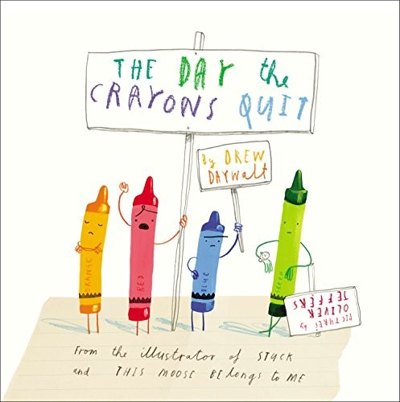
The Day the Crayons Quit
Each crayon writes a letter of complaint. Taking the point of view of an object is a large imaginative step, and the jokes carry children over it.
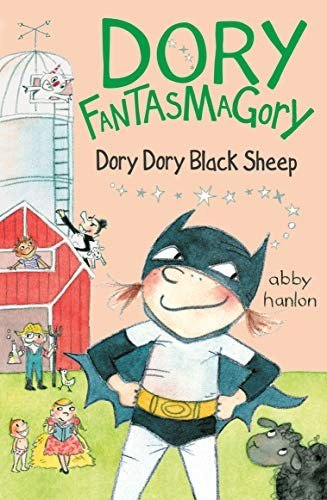
Dory Fantasmagory
Dory's imaginary friend and imaginary nemesis are as real to her as her siblings. Read aloud to five- and six-year-olds, it describes their own inner traffic accurately.
Press Here
Press the dot, turn the page, and the dots have moved. There are no electronics; the child's own expectation does the work, which is imagination made mechanical.
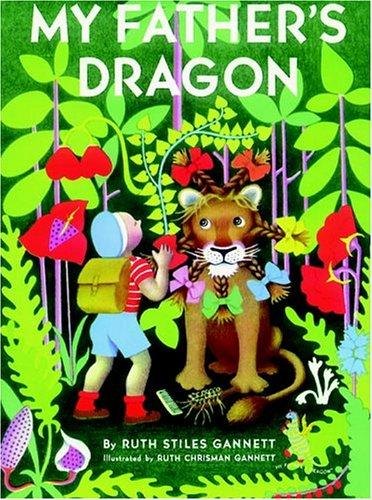
My Father's Dragon
Elmer packs chewing gum and hair ribbons, and every item defeats an animal later. The map and the packing list send children off planning expeditions of their own.
The Most Magnificent Thing
A girl imagines a thing, builds it wrong repeatedly, and quits before she finishes. The gap between the picture in her head and the object on the ground is the story.
Roxaboxen
Children build a whole town on a rocky hill out of stones and old crates. It is a record of sustained pretend play, and children read it as instructions.
The Adventures of Beekle: The Unimaginary Friend
An imaginary friend tires of waiting to be imagined and sets off to find his child. The reversal makes four-year-olds think about where pretend friends come from.
Julián Is a Mermaid
A boy sees three women dressed as mermaids and makes himself a tail from a curtain and a fern. Dress-up shown as serious work, with a grandmother who understands.
Ish
Ramon stops drawing when his pictures are not right, until his sister shows him that vase-ish counts. It gives children a word for good enough to keep going.
More teacher-picked book lists
Prefer to browse by age? Start with the full by-age guide, or jump to babies, toddlers, preschoolers or beginning readers.
See how we build a love of reading into every day: explore our curriculum or come visit a classroom.