


The Best Books for Curious Kids: 17 Teacher Picks
For the age when every answer produces three more questions
Between three and seven, children ask questions faster than any adult can answer them. The useful books give a real answer and leave a door open: a diagram to study, a fold-out to follow, a bug to go outside and find.
None of these talk down. Preschoolers can take accurate cross-sections, true-scale comparisons, and the actual names of clouds, provided the pacing lets them look. What they cannot take is a book that answers before they have finished wondering.
Twelve are reviewed on our shelf; five more are titles we keep in the classroom and can vouch for, listed here without a review link. 12 of them come from The Best Children’s Books by Age, our 120-book teacher list, and carry a full review you can open; the remaining 5 are titles our teachers also reach for on this theme but have not written up individually yet. No author or publisher paid to be on this list, and we earn no commission if you buy a single book; every pick is a classroom pick.
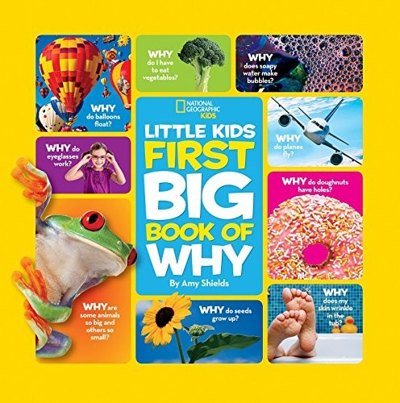
National Geographic Little Kids First Big Book of Why
Built from questions real children asked, answered with photographs and small experiments. The book to hand over when the why chain has outrun what you know.
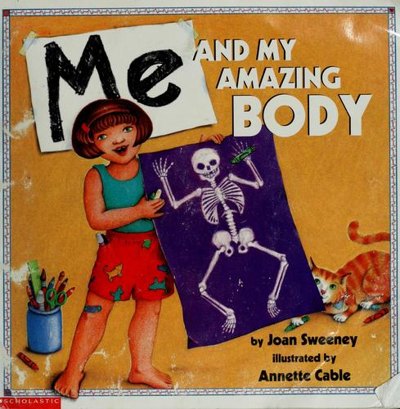
Me and My Amazing Body
A child guides the tour of skin, bones, muscles, and brain. The diagrams are honest without being alarming, and they answer the questions that come up in the bath.
From Seed to Plant
Gibbons explains one process completely, pollination included, with labeled cross-sections. Pair it with a bean in a wet paper towel and a week of checking.
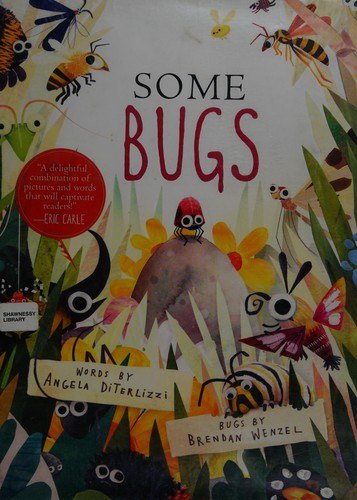
Some Bugs
A rhyming field guide that names real behaviours: hopping, hiding, gliding. Children finish it and go outside to verify, which is the outcome we are after.
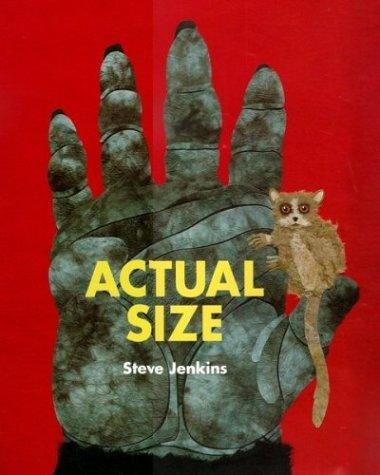
Actual Size
A gorilla's hand and a squid's eye printed at true scale, so children measure themselves against the page. It makes how-big a question with a physical answer.
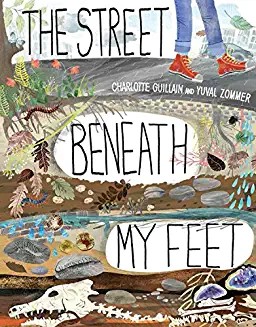
The Street Beneath My Feet
A two-metre fold-out running straight down through pipes, fossils, and magma. The format turns geology into a descent they can lay out on the floor.
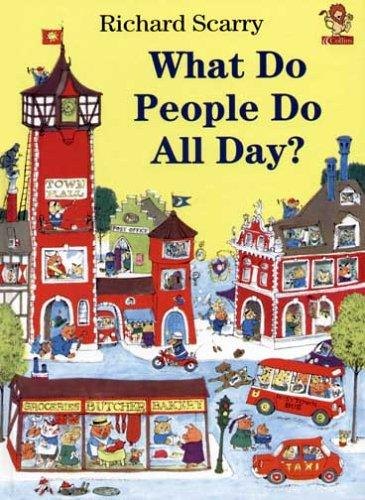
What Do People Do All Day?
Busytown explains how houses get built and bread gets baked. For children whose parents work on laptops, it makes work visible and traceable again.
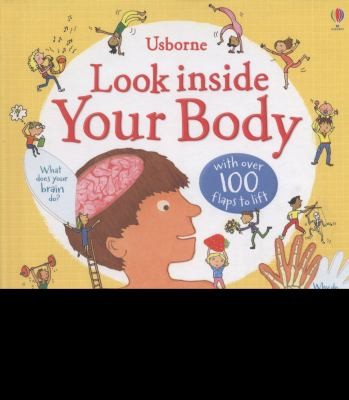
Look Inside Your Body
Flaps within flaps, so anatomy arrives at whatever pace the child chooses to lift. Asking a question with your fingers, with a payoff every time.
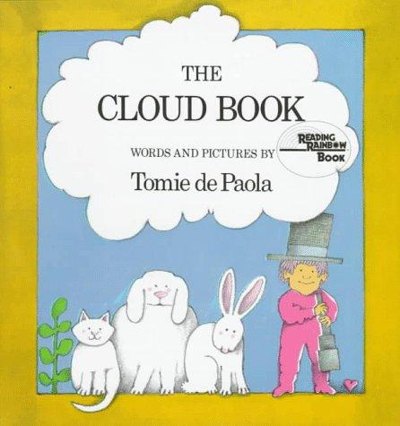
The Cloud Book
All ten cloud types plus the folklore about what each one predicts. It converts car rides and playground waits into observation practice at no cost.
Hello, World! Solar System
Planets in real order with real names, in sentences short enough for a four-year-old. First astronomy sized to the fifteen minutes before dinner.
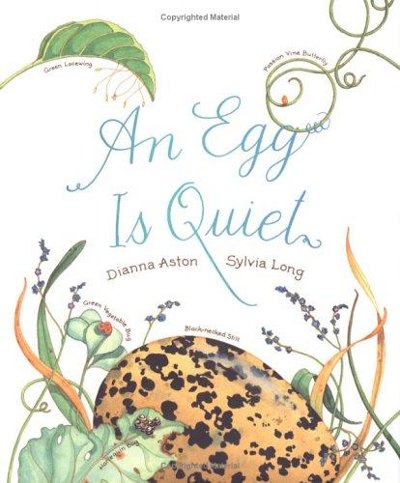
An Egg Is Quiet
Dozens of real eggs painted at scientific fidelity and labeled in a quiet hand. The gallery-like design slows children down until they are genuinely looking.
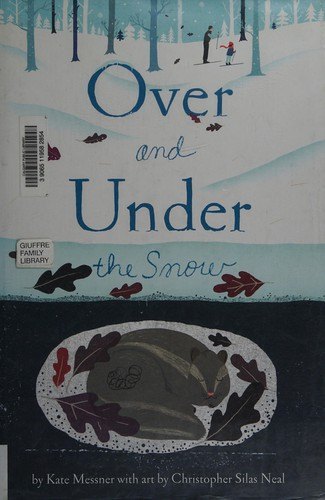
Over and Under the Snow
A skier passes over animals wintering below. The split-world premise shows children that the visible world has a hidden layer, which is where science starts.
Ada Twist, Scientist
Ada asks why about everything and keeps testing after the adults have lost patience. The rhyme carries it, and the point about persistent questioning is aimed at exactly this age.
What Do You Do With a Tail Like This?
A nose, an ear, or a tail appears first and children guess the animal before the page turns. The guessing is the point; the facts follow once they are invested.
The Magic School Bus Inside the Human Body
Dense pages with jokes, labels, and student notes crammed in the margins. Beginning readers reread it for the details, which is how the digestion facts actually stick.
The Big Book of Bugs
Large thematic spreads on beetles, bees, and worms, with a hidden bug to find on every page. The seek-and-find keeps children on a spread long enough to read it.
What If You Had Animal Teeth?
Each spread puts a real animal's teeth on a child's face and explains what they are for. Absurd premise, accurate biology, and children go looking for the sequels.
More teacher-picked book lists
Prefer to browse by age? Start with the full by-age guide, or jump to babies, toddlers, preschoolers or beginning readers.
See how we build a love of reading into every day: explore our curriculum or come visit a classroom.