


The Best Classic Children's Books: 17 Teacher Picks
Books that have kept their audience for fifty years or more
A book stays in print for sixty years because children keep asking for it, not because adults are sentimental about it. That is the only test we applied here, and it filters out a surprising amount of what gets called a classic.
The list runs from a board book a six-month-old chews to a novel a six-year-old hears a chapter of each night. Several were written before their readers' grandparents were born and still land in the room the same way.
Twelve are reviewed on our shelf; five more are titles any library will have, listed here without a review link. 12 of them come from The Best Children’s Books by Age, our 120-book teacher list, and carry a full review you can open; the remaining 5 are titles our teachers also reach for on this theme but have not written up individually yet. No author or publisher paid to be on this list, and we earn no commission if you buy a single book; every pick is a classroom pick.
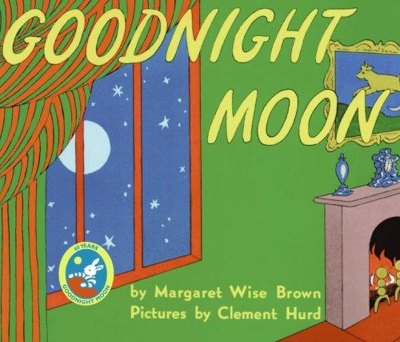
Goodnight Moon
Published in 1947 and still the last book of the night in thousands of houses. The room dims page by page and the cadence does the settling.
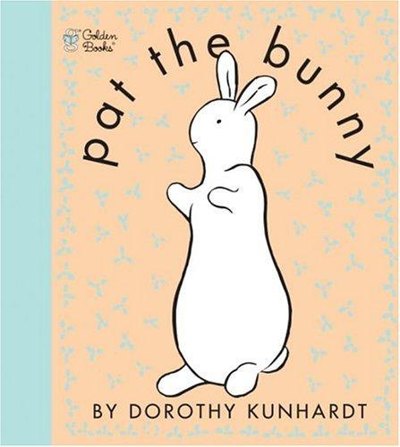
Pat the Bunny
The book that invented touch-and-feel, published in 1940. Babies pat the fur and lift the cloth exactly as they did eighty years ago, and it still holds them.
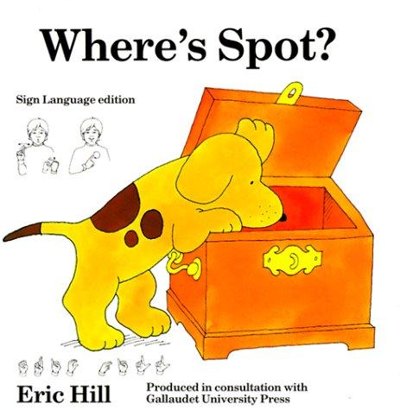
Where's Spot?
The first lift-the-flap mystery and the template for hundreds since. Babies get to answer a question with their hands, and the answer never stops being satisfying.
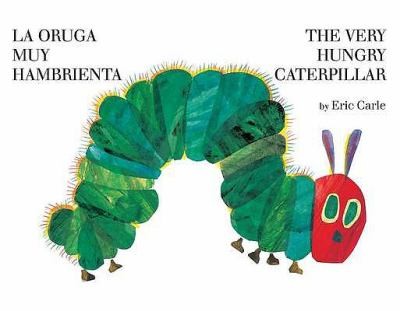
The Very Hungry Caterpillar
Fifty-plus years of small fingers in the die-cut holes. Counting, days of the week, and metamorphosis, all carried by a story short enough for a tired evening.
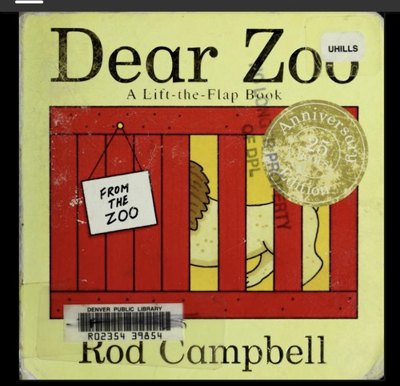
Dear Zoo
Forty years of toddlers who know every flap by heart and still react to the snake. Eight spreads, one reliable engine, and the puppy at the end.
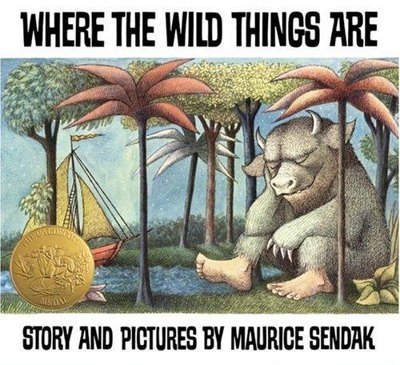
Where the Wild Things Are
Sendak let a furious child sail away, rule the monsters, and come home to hot supper. The honesty about anger is why it has outlasted its imitators.
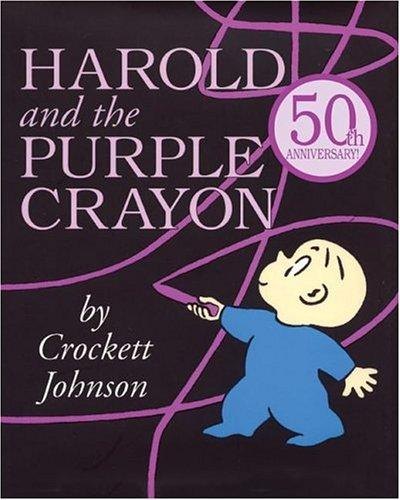
Harold and the Purple Crayon
One line, one crayon, and a child authoring his own world with the consequences included. The premise is as clean now as it was in 1955.
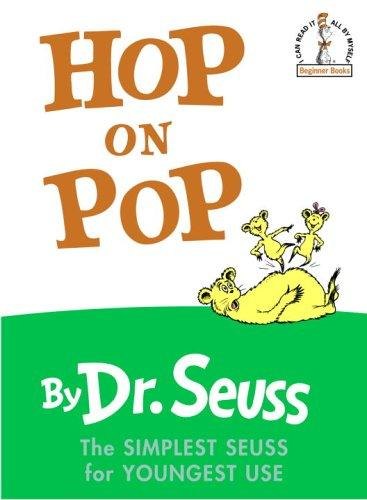
Hop on Pop
Word families arranged as slapstick. Beginning readers get real phonics practice inside jokes they want to repeat, which is the only reason drills ever work.
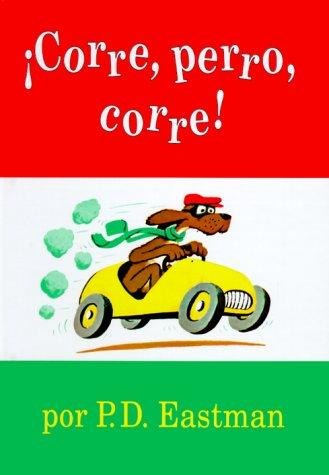
Go, Dog. Go!
About seventy-five words, an absurd universe, and the tree-top dog party. Repetition builds sight-word fluency while the child thinks they are only enjoying the dogs.
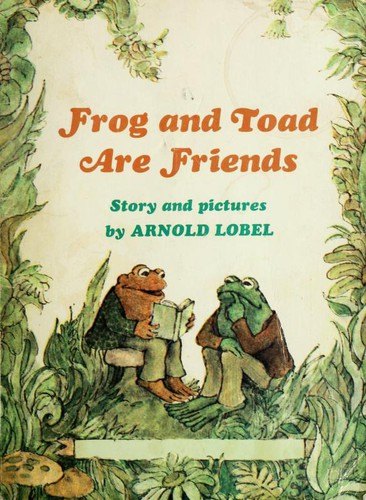
Frog and Toad Are Friends
Five short chapters that give a new reader five genuine finish lines. Lobel's quiet comedy holds up well enough that adults do not mind the twentieth reading.
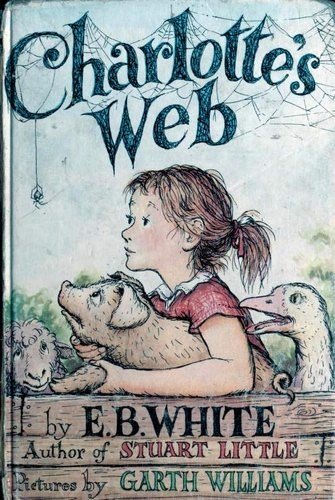
Charlotte's Web
The read-aloud novel other read-aloud novels are measured against. Friendship, death, and a turning farm year in prose that never talks down to a six-year-old.
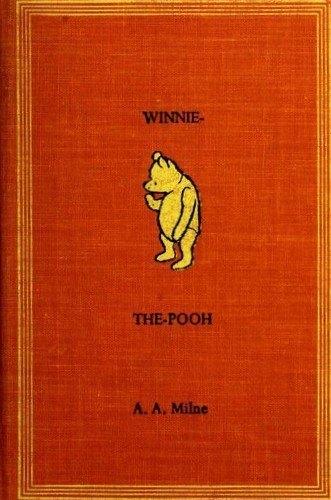
Winnie-the-Pooh
Milne's originals are drier and funnier than any adaptation, with jokes pitched over the child's head for the reader. Best in nightly episodes rather than one sitting.
Corduroy
A department-store bear searches the shop at night for his missing button, and a girl buys him anyway. Wanting to be chosen is the whole subject, and children feel it.
The Snowy Day
Peter walks out into fresh snow and does everything a small child does in it. The 1962 collage still looks current, and the plot is simply one good day.
Make Way for Ducklings
A duck family walks across Boston and the traffic stops for them. The sepia drawings reward slow looking, and the ducklings' names get memorised fast.
Curious George
A monkey whose curiosity outruns his judgment, over and over. Children enjoy the trouble and follow the cause and effect of every bad decision closely.
The Tale of Peter Rabbit
Peter disobeys, nearly gets caught, and goes to bed with chamomile tea while his sisters have bread and milk. Potter never softens the consequence, and children respect that.
More teacher-picked book lists
Prefer to browse by age? Start with the full by-age guide, or jump to babies, toddlers, preschoolers or beginning readers.
See how we build a love of reading into every day: explore our curriculum or come visit a classroom.