


The Best Rhyming Books for Kids: 17 Teacher Picks
Books with a beat children can hear, predict, and finish out loud
Rhyme is not decoration. A child who can hear that moon and spoon end the same way is already sorting sounds, which is the work reading later depends on. Books with a steady beat get chanted back, and chanting is practice.
These are the ones our teachers reach for when a group is restless. The meter carries the room, children start supplying the last word of each line, and a book that was being read to them becomes a book they are doing.
Twelve of these have full reviews on our shelf; the other five are library standards we read often enough to vouch for, listed here without a review link. 12 of them come from The Best Children’s Books by Age, our 120-book teacher list, and carry a full review you can open; the remaining 5 are titles our teachers also reach for on this theme but have not written up individually yet. No author or publisher paid to be on this list, and we earn no commission if you buy a single book; every pick is a classroom pick.
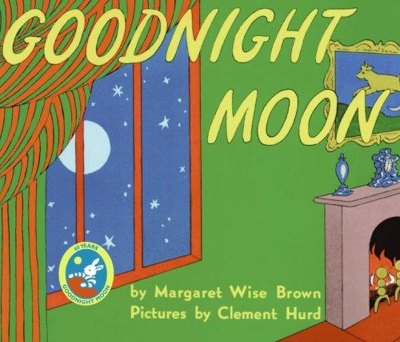
Goodnight Moon
The couplets are slow and the room shrinks page by page. Children who cannot yet talk will still hum along with the cadence, which is the first step into rhyme.
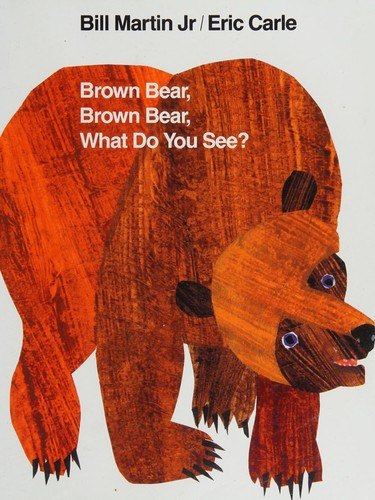
Brown Bear, Brown Bear, What Do You See?
Not strictly rhyme but pure pattern: one question, one answer, repeated until the child owns it. By the tenth read they say the next animal before the page turns.
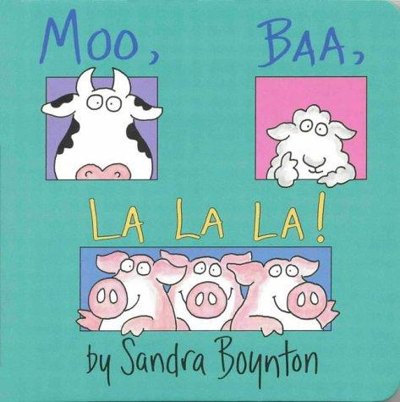
Moo, Baa, La La La!
Ninety seconds of animal sounds arranged for the mouth. The la-la-la line lands every time, and babies practise the exact syllable shapes early speech needs.
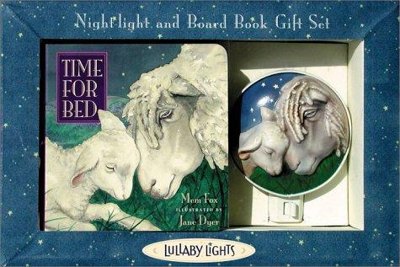
Time for Bed
Regular couplets pairing each animal parent with its baby. The rhyme scheme is so even that children settle into it physically, which is why it works as the last book.
Each Peach Pear Plum
An I-spy rhyme where the verse names the character hiding in the next picture. Children hunt and chant at once, and the rhyme tells them what to look for.
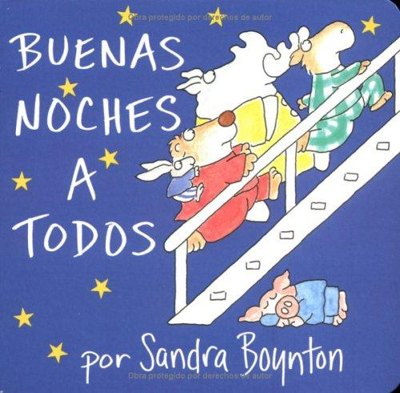
The Going to Bed Book
Boynton's meter is dependable to the syllable, and the animals do absurd things on it. Toddlers relax into the beat before they follow a word of the plot.
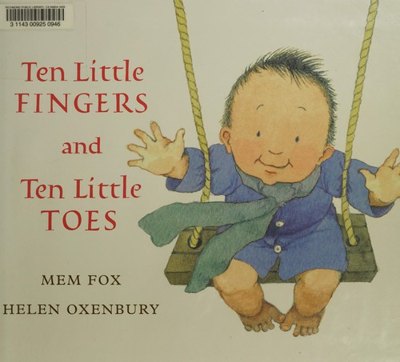
Ten Little Fingers and Ten Little Toes
The counting refrain returns on every spread, and hands and feet get touched in time with it. Rhythm plus sensation is how the youngest children hold a pattern.
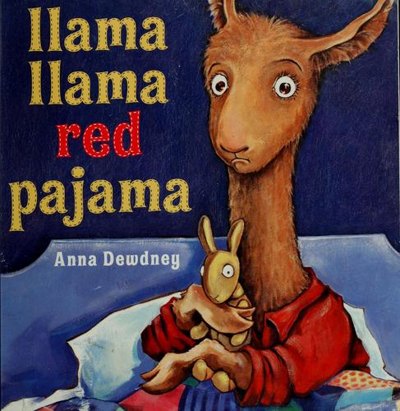
Llama Llama Red Pajama
Galloping rhyme carries a real worry from mild to frantic and back to calm. Children memorise the reassurance because the rhyme makes it easy to hold onto.
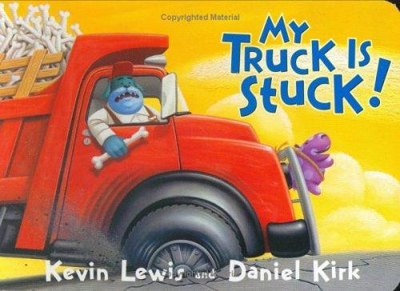
My Truck Is Stuck!
The refrain hands the child a line, and they take it. We have watched two-year-olds shout the title on cue for twenty readings without once tiring of it.
Big Red Barn
Rolling verse walks a farm from sunup to dark. The cadence is close to Goodnight Moon's but awake, so it works in the morning as easily as at bedtime.
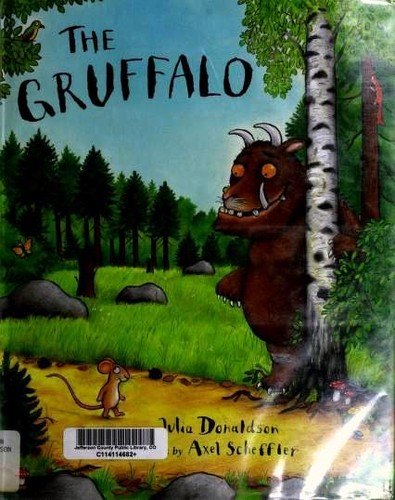
The Gruffalo
Donaldson's rhyming couplets are built so tightly that adults recite them years later. Preschoolers catch the rhyme word before it arrives, which is the whole pleasure.
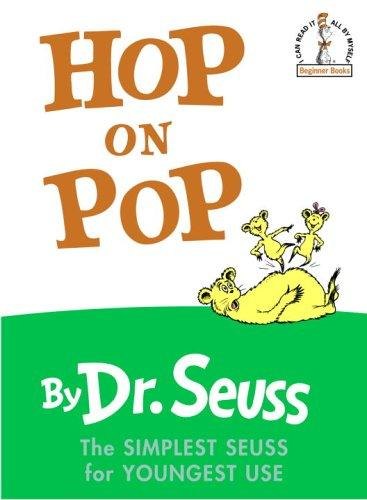
Hop on Pop
Word families set against each other in short silly pairs. For a child starting to decode, the rhyme is the clue that makes the next word guessable, then readable.
Chicka Chicka Boom Boom
The alphabet climbs a coconut tree to a chant with a hard, danceable beat. Children pick up the letter names sideways while they are busy repeating the nonsense line.
Sheep in a Jeep
Under sixty words, nearly all of them rhyming, and a jeep that ends up in the mud. The tight one-syllable rhymes make it the easiest read-aloud to memorise we know.
Jamberry
Invented berry words tumble through the rhyme and children accept every one. Good for the stage where sound matters more than meaning and nonsense still counts as vocabulary.
Room on the Broom
The same rhyming engineering as The Gruffalo, with a repeating question children answer aloud. Longer than a board book, so save it for four- and five-year-olds who can hold a plot.
Green Eggs and Ham
Fifty words, endlessly recombined. A beginning reader can carry the whole book on rhyme and repetition alone, which is often the first time reading feels possible rather than assigned.
More teacher-picked book lists
Prefer to browse by age? Start with the full by-age guide, or jump to babies, toddlers, preschoolers or beginning readers.
See how we build a love of reading into every day: explore our curriculum or come visit a classroom.